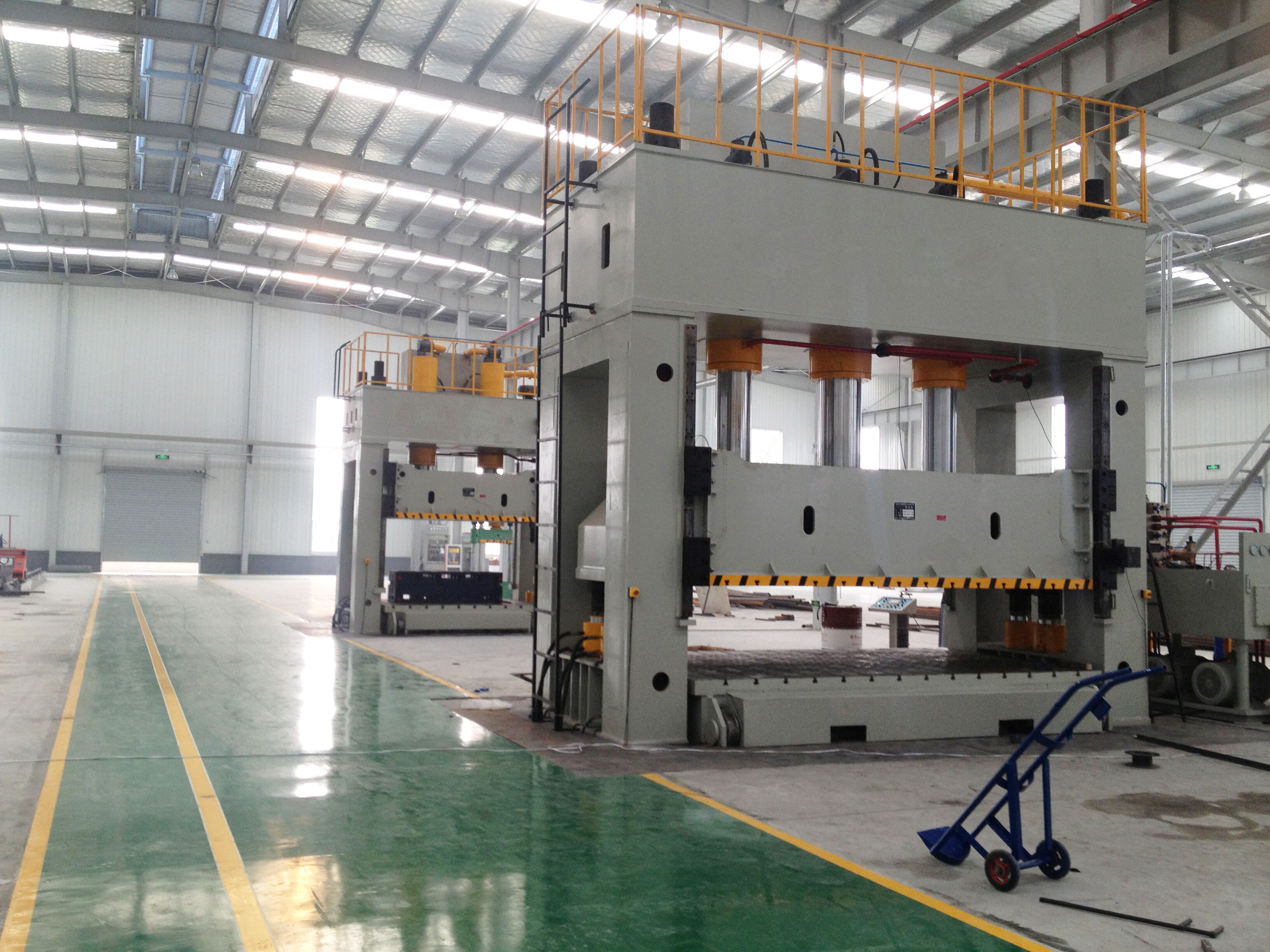
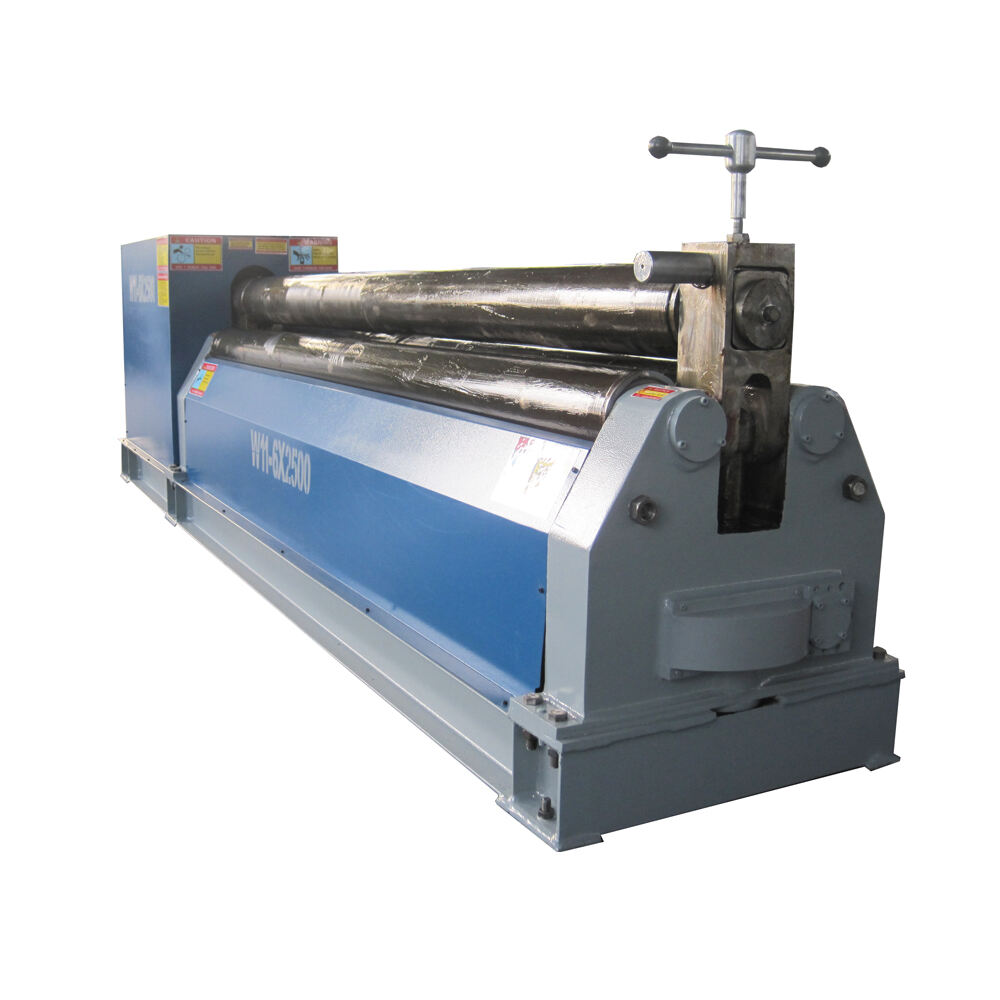
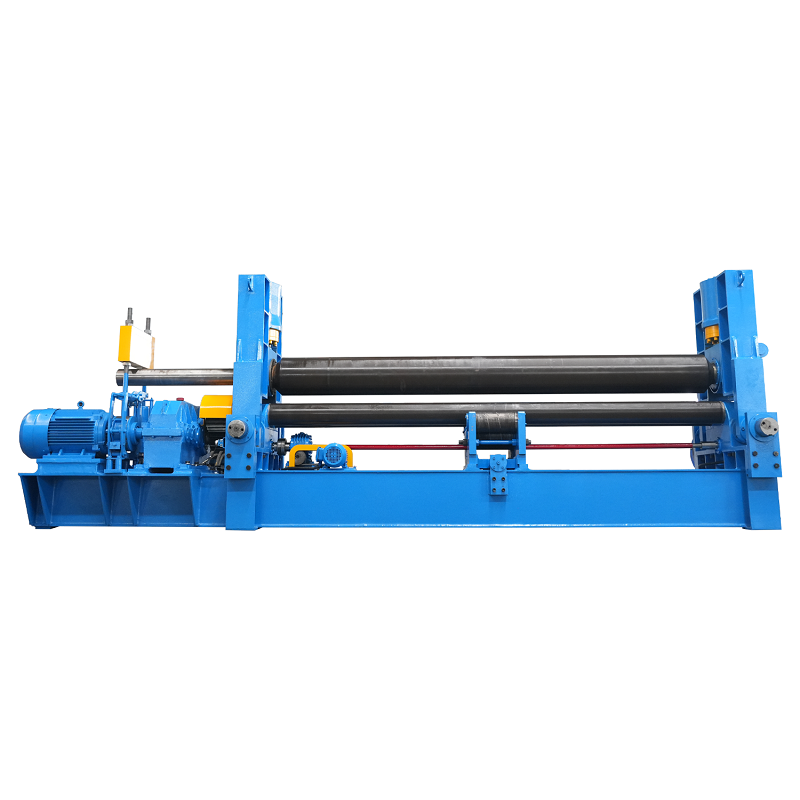
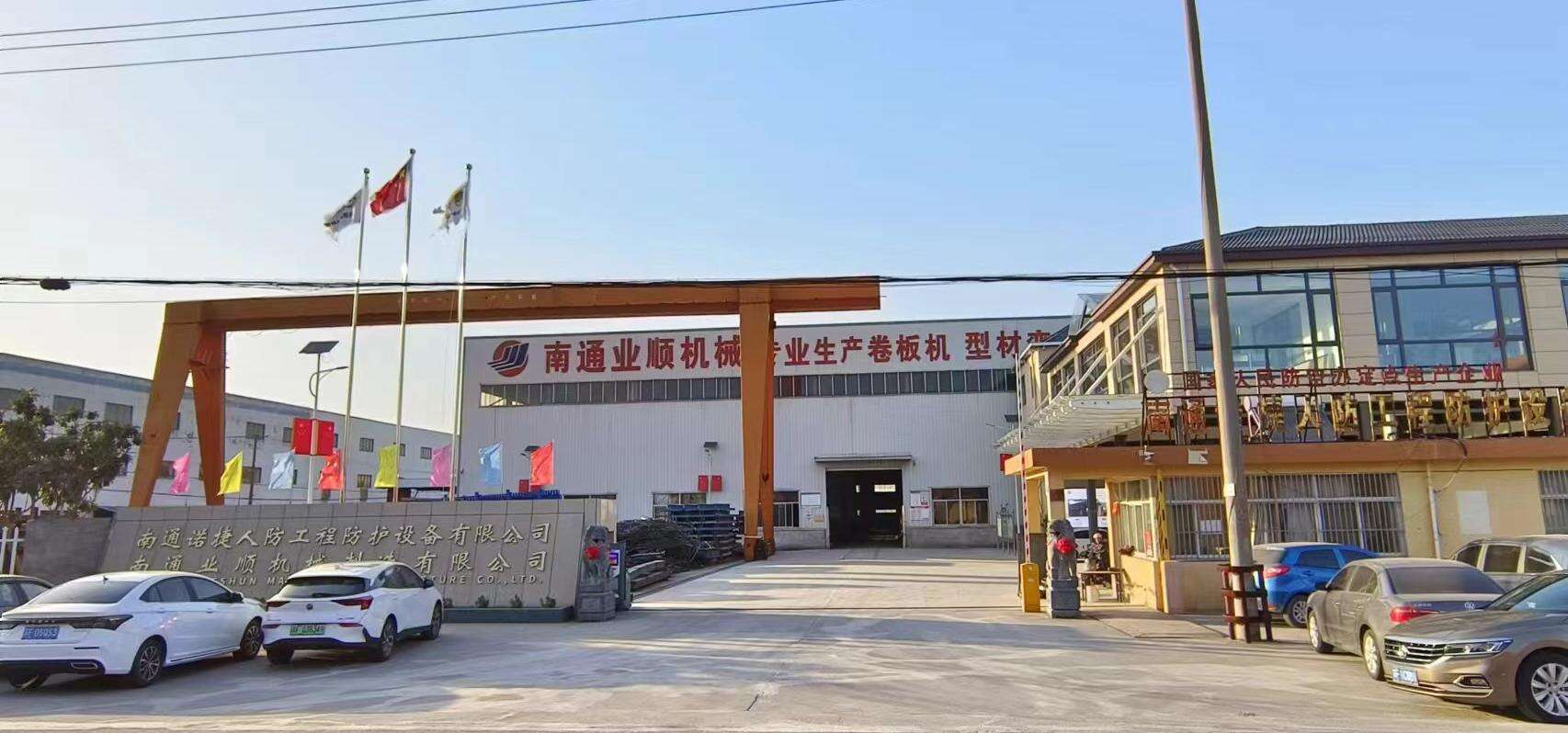
Automated hydraulic presses are designed for seamless integration into assembly lines— a critical requirement for industries such as automotive assembly (e.g., pressing bearings into shafts, assembling transmission components), electrical equipment manufacturing (e.g., pressing terminals into cables, assembling motor cores), and appliance assembly (e.g., pressing hinges into doors, assembling compressor parts). These presses feature built-in automation capabilities, including robotic interface ports (for integration with industrial robots), conveyor system connections (for part transport), and PLC (Programmable Logic Controller) compatibility (for synchronization with assembly line control systems). Their ability to operate automatically, with minimal human intervention, ensures consistent part quality, increased production speed, and reduced labor costs in high-volume assembly environments. A leading automotive assembly plant in North China, which produces 600,000 vehicles per year, provides a compelling example of automated hydraulic press integration. The plant’s transmission assembly line includes five 100-ton automated hydraulic presses, each integrated with a six-axis industrial robot and a conveyor system. The line’s PLC system coordinates the entire process: the conveyor delivers a transmission shaft to the first press station; the robot picks up a bearing and places it on the shaft; the hydraulic press applies a controlled force of 80kN to press the bearing onto the shaft (with a positional accuracy of ±0.02mm); the robot then moves the shaft to the next press station for assembly of a gear; and the completed shaft is sent to the next assembly step via the conveyor. This automated process takes 45 seconds per transmission shaft— compared to 2 minutes with manual pressing— and achieves a press fit accuracy of 99.9%, eliminating the risk of bearing misalignment (which can cause transmission failure). The presses’ built-in sensors monitor the pressing force and position in real time, sending data to the PLC system. If a press detects an 异常 (abnormality) (e.g., excessive force indicating a damaged bearing), it automatically stops and alerts the line operator— preventing defective parts from entering the next assembly step. In the electrical equipment industry, a manufacturer of electric motors uses three 50-ton automated hydraulic presses in its stator assembly line. The presses are integrated with vision systems that identify the stator’s slot positions, then press copper windings into the slots with a force of 30kN. The presses’ PLC system synchronizes with the line’s conveyor, ensuring that each stator is positioned correctly before pressing. This automation reduces the number of operators required for the line from 6 to 2, while increasing production speed by 50% and reducing winding damage (a common issue with manual pressing) by 90%. Automated hydraulic presses also feature quick-change die systems, which allow for rapid reconfiguration when switching between different part models. For example, an appliance assembly plant that produces multiple washing machine models can change the die on an automated hydraulic press (used for pressing door hinges) in less than 10 minutes— enabling the line to switch between models without extensive downtime. This flexibility is essential for assembly lines that handle multiple product variants. While Nantong Yeshun Machinery’s core products are plate rolling machines and shearing machines, we understand the importance of automated hydraulic presses in modern assembly lines— especially as a complement to our forming equipment (e.g., forming a part with a press brake, then pressing it into an assembly with an automated hydraulic press). Yeshun offers automated hydraulic presses with a range of automation features, including robot integration, PLC compatibility, and quick-change dies. Our engineering team can also design custom integration solutions to ensure the presses work seamlessly with your existing assembly line equipment. If you need an automated hydraulic press for assembly line integration— whether for automotive, electrical, or appliance assembly— contact Yeshun Machinery. Our team will work with your automation engineers to define integration requirements (robot interface, PLC protocol, conveyor compatibility) and provide a detailed proposal, including on-site testing to validate the integration. We also offer training for your operators to ensure they can manage the automated system effectively.
 EN
 AR
 CS
 FR
 DE
 PL
 PT
 RU
 ES
 TL
 ID
 UK
 VI
 TH
 FA
 MS