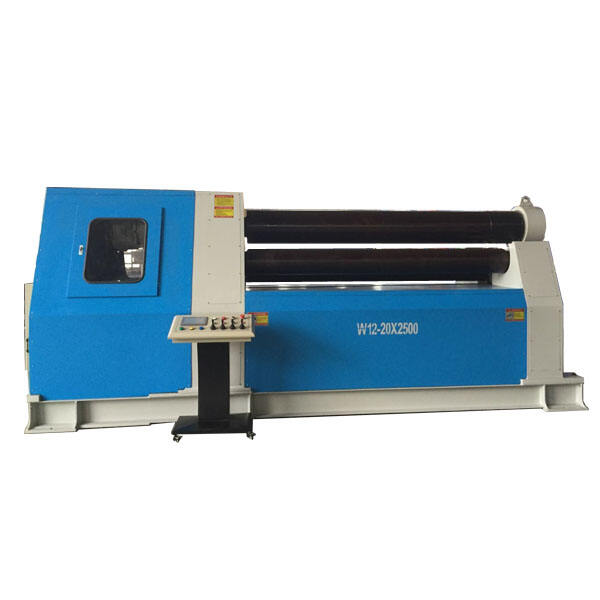
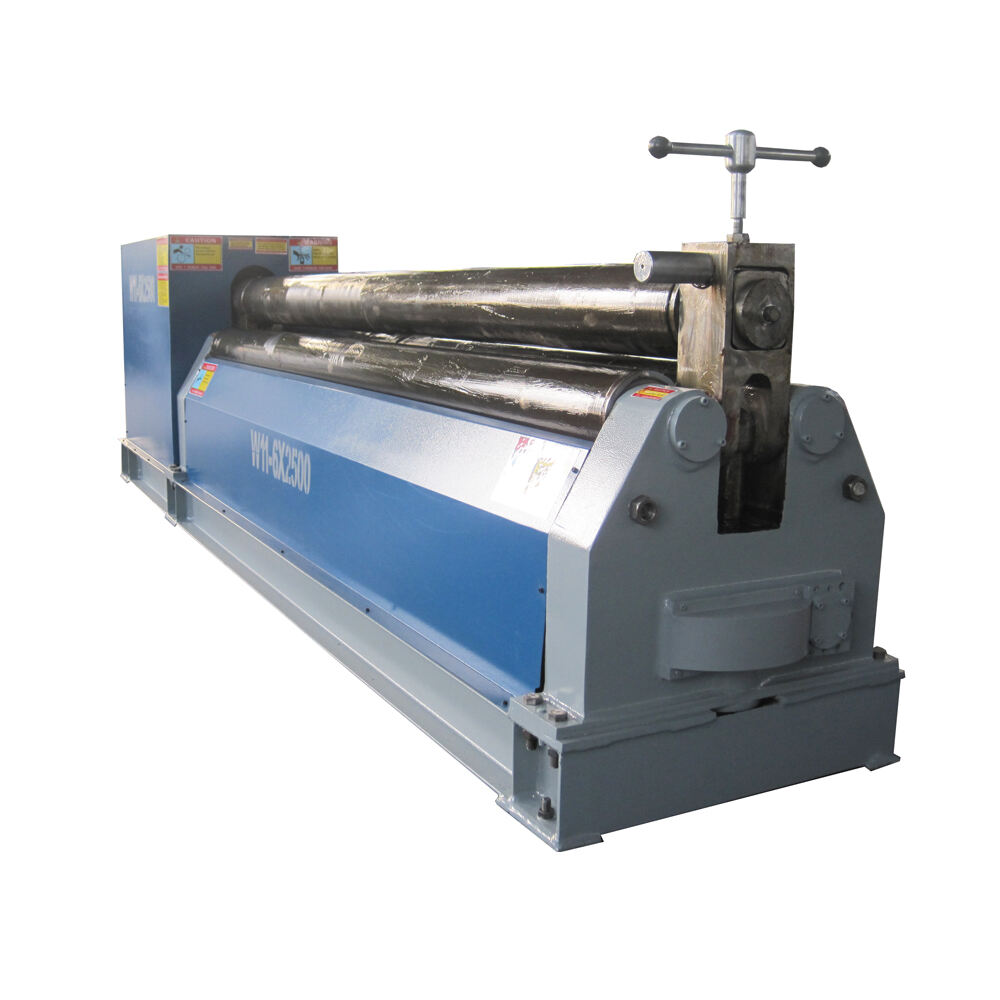
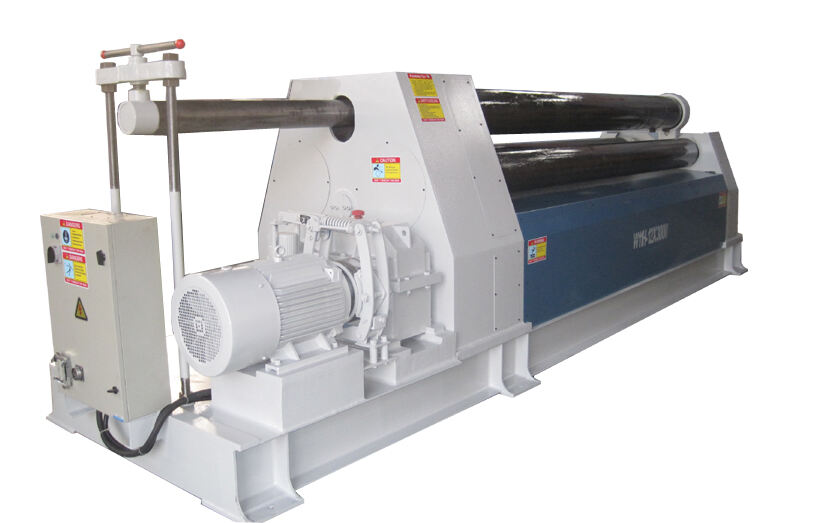
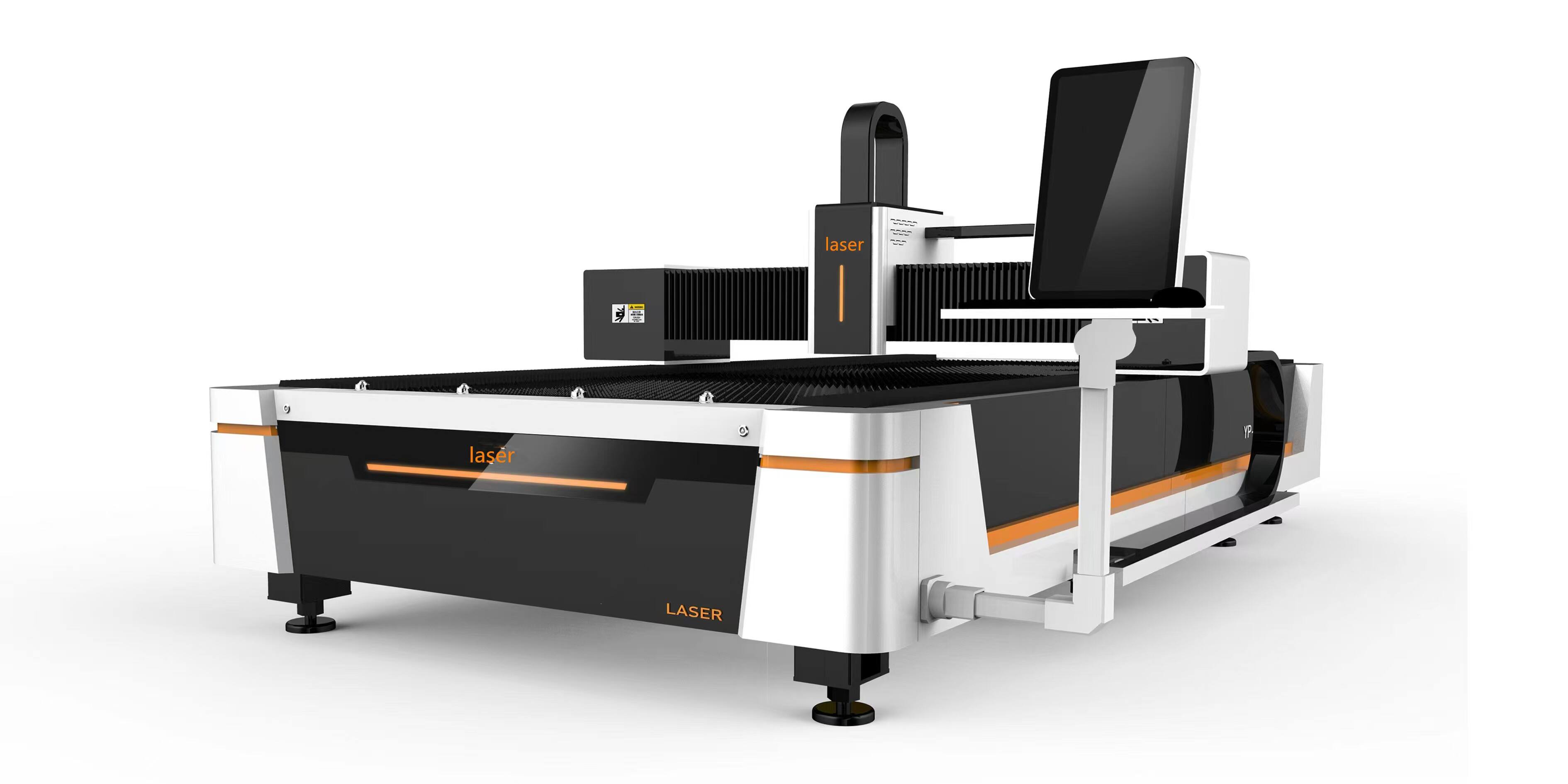
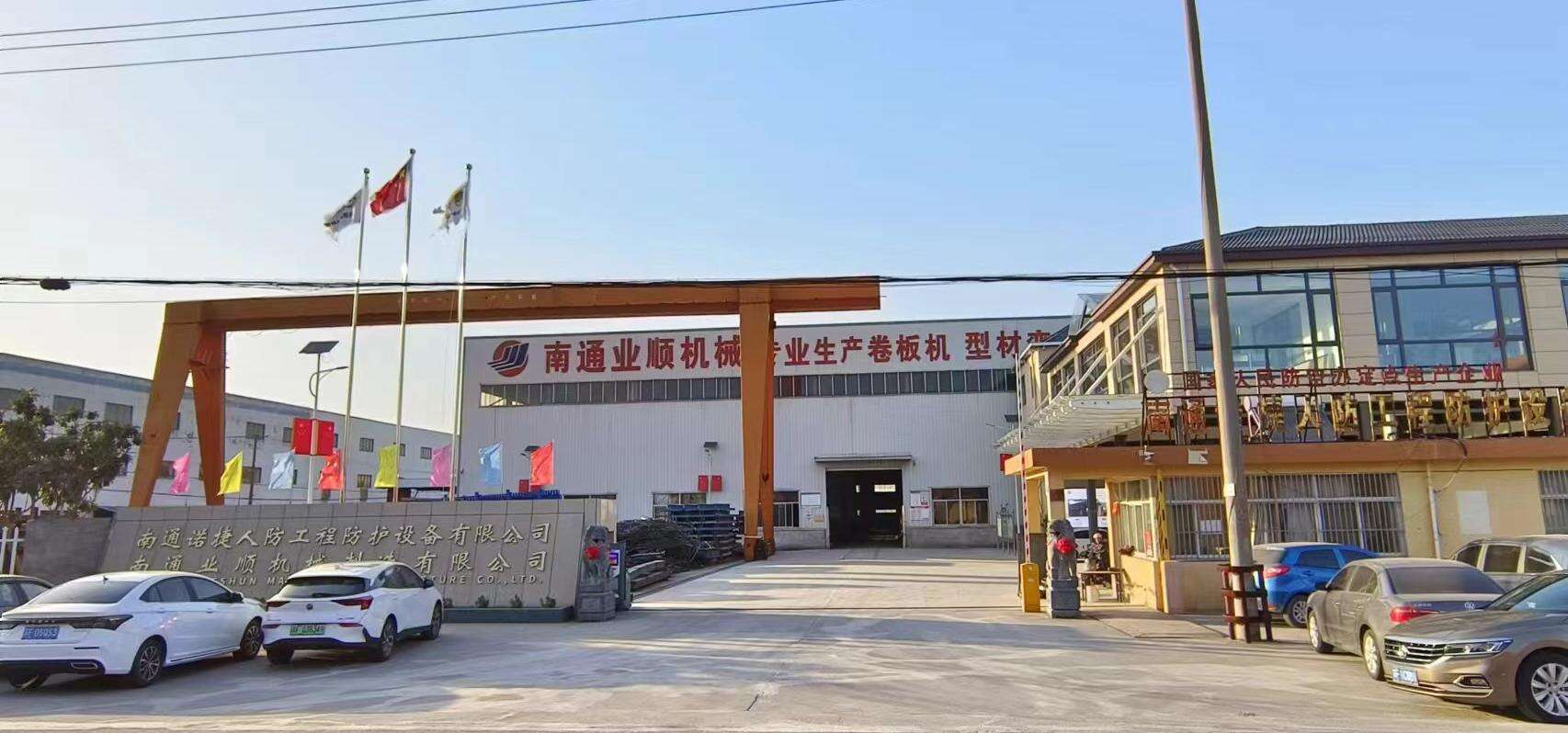
Profile steel—including I-beams, H-beams, channel steel, and angle steel—is one of the most widely used materials in construction, machinery manufacturing, and infrastructure projects. Processing profile steel requires roll bending machines that can handle the unique cross-sectional shapes of these profiles, maintain their structural integrity during bending, and meet the high-volume demands of industrial production. Nantong Yeshun Machinery’s Industrial Roll Bending Machine for Profile Steel Processing is designed to excel in this application, combining our decades of experience in metal forming (since 2003) with specialized roll designs, robust hydraulic systems, and industrial-grade components that ensure reliable performance for high-volume profile steel bending. This machine is a workhorse for steel fabricators, construction companies, and machinery manufacturers that process large quantities of profile steel daily. Key features of this machine tailored to profile steel processing include: 1) Profile-specific roll designs: The machine is equipped with interchangeable roll sets designed for each type of profile steel: - For I-beams and H-beams: Rolls with a concave shape that matches the profile’s web and flanges, ensuring even pressure distribution and preventing flange deformation. - For channel steel: Rolls with a convex shape that fits the channel’s inner curve, maintaining the profile’s cross-sectional dimension during bending. - For angle steel: V-shaped rolls that grip the profile’s legs securely, preventing slipping during bending. All rolls are made from high-strength alloy steel (50CrV4) with a surface hardness of HRC 58-60, ensuring durability even when bending high-strength profile steel (e.g., Q420B). 2) High-volume processing capacity: The machine can process up to 30 profile steel pieces per hour (depending on size and curvature) and operate continuously for 24 hours—meeting the demands of industrial production. The hydraulic system uses a dual-pump design (flow rate 160L/min) that delivers high torque (up to 4000N·m) for fast bending, reducing cycle time by 30% compared to single-pump machines. 3) Structural integrity preservation: Bending profile steel can weaken its load-bearing capacity if not done correctly. Our machine uses a gradual bending process (variable roll speed and force) that minimizes stress concentration in the profile’s critical areas (e.g., the web-flange junction of I-beams). The machine also includes a stress relief function that applies a small amount of reverse bending after the main bend, reducing residual stress by up to 40%. 4) Easy roll changeover: For fabricators processing multiple types of profile steel, the machine’s roll change system uses quick-release clamps that allow roll sets to be changed in less than 30 minutes—minimizing downtime between production runs. A large steel fabricator in India uses six of our Industrial Roll Bending Machines to process angle steel (L100×10mm, Q345B) for the construction of industrial warehouses. The fabricator processes an average of 500 angle steel pieces per day, bending them into a 1.5m curvature radius for use as roof truss supports. Prior to using Yeshun’s machines, the fabricator used manual bending presses, which resulted in inconsistent curvature (average deviation ±1mm) and 8% of pieces being rejected due to flange deformation. After switching to our roll bending machines, curvature deviation was reduced to ±0.2mm, rejection rates dropped to 1%, and production capacity increased to 700 pieces per day. The fabricator’s operations manager reported that “the Yeshun machines are built for industrial use—they handle high volumes of profile steel reliably, and the quality of the bent profiles is consistent, which is essential for our construction clients.” We understand that industrial profile steel processing requires machines that are durable, efficient, and easy to maintain. Our pre-sales service includes a review of your typical profile steel types, sizes, and production volume to recommend the optimal machine configuration (e.g., roll set types, hydraulic capacity). Post-sales support includes training for your operators on profile-specific bending techniques and maintenance training to keep the hydraulic system and rolls in peak condition. For inquiries about the machine’s capacity for your specific profile steel, or to request a production cost analysis, please contact our industrial steel solutions team.
 EN
 AR
 CS
 FR
 DE
 PL
 PT
 RU
 ES
 TL
 ID
 UK
 VI
 TH
 FA
 MS