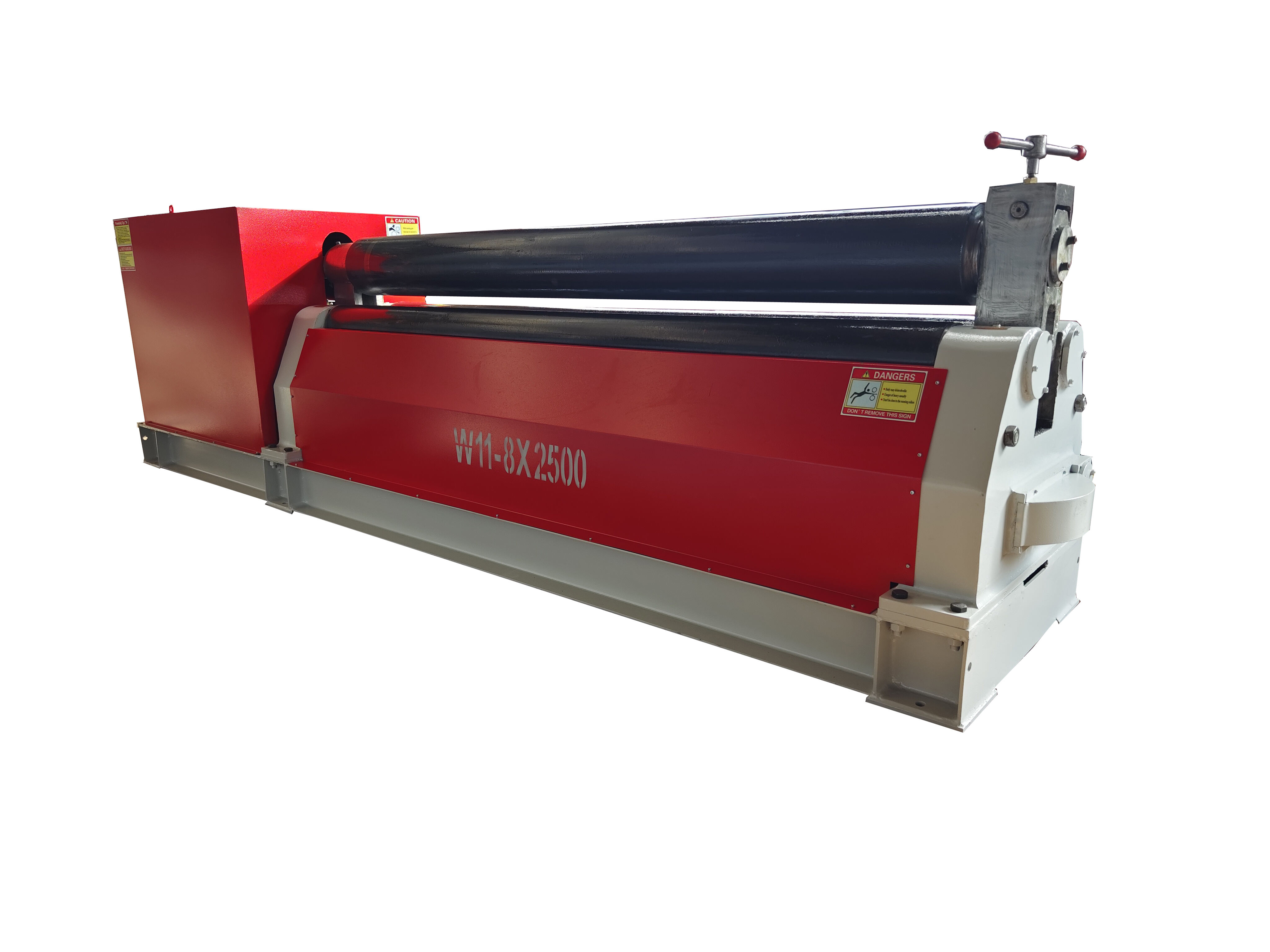
High-pressure hydraulic presses (typically with pressure ratings ranging from 100MPa to 300MPa) are specialized for precision metal stamping— a process critical to industries such as electronics (e.g., micro-connector stamping), medical devices (e.g., surgical instrument component stamping), and automotive electronics (e.g., sensor housing stamping). These presses deliver controlled, high-pressure forces with exceptional accuracy, ensuring that stamped parts meet tight dimensional tolerances (often ±0.005mm to ±0.02mm) and superior surface finishes— requirements that standard mechanical presses cannot consistently achieve. The precision of these presses is enabled by advanced technologies, including servo-hydraulic systems (for precise pressure and position control), load cells (for real-time pressure monitoring), and high-rigidity frames (to minimize deflection during stamping). A manufacturer of micro-electronic connectors for smartphones provides a clear application example. The company needs to stamp 0.1mm-thick phosphor bronze sheets into connectors with 0.05mm-wide contact pins— a task requiring extreme pressure control and positional accuracy. The manufacturer adopted a 150MPa high-pressure hydraulic press with a servo-hydraulic system. This press can adjust pressure in increments of 0.1MPa and control the ram’s position with a resolution of 0.001mm. During stamping, the load cell monitors the pressure applied to the sheet, and the servo system adjusts the hydraulic flow to maintain a constant pressure— preventing over-stamping (which would deform the pins) or under-stamping (which would leave the pins incomplete). The press’s high-rigidity frame, made of cast steel with a pre-stressed design, ensures that deflection is less than 0.002mm under full load— critical for maintaining uniform pressure across the small connector area. As a result, the manufacturer achieves a part qualification rate of 99.8%, meeting the strict standards of the electronics industry (e.g., IPC-A-610 for electronic assemblies). In the medical device industry, a producer of stainless steel surgical forceps uses a 200MPa high-pressure hydraulic press to stamp the forceps’ jaws from 0.5mm-thick 316L stainless steel sheets. The press’s slow, controlled ram speed (adjustable from 0.5mm/s to 5mm/s) allows for precise material flow, ensuring the jaws’ serrated edges are sharp and consistent. The press also features a cleanroom-compatible design (stainless steel surfaces, oil mist collectors) to meet medical manufacturing standards (e.g., ISO 13485). While Nantong Yeshun Machinery’s core product line focuses on metal forming equipment like plate rolling machines and shearing machines, we recognize the importance of high-pressure hydraulic presses in precision stamping workflows— especially as a complement to our forming equipment (e.g., stamping a part, then rolling or bending it into a final shape). Yeshun’s engineering team can design and supply custom high-pressure hydraulic presses tailored to specific stamping applications, including custom bed sizes, pressure ranges, and control systems (e.g., integration with PLCs for automated stamping cycles). If you require a high-pressure hydraulic press for precision metal stamping— whether for micro-electronics, medical devices, or other high-precision industries— contact Yeshun Machinery. Our team will work with your engineering team to define technical specifications (pressure, position accuracy, bed size) and provide a detailed proposal, including prototype testing to validate stamping quality.
 EN
 AR
 CS
 FR
 DE
 PL
 PT
 RU
 ES
 TL
 ID
 UK
 VI
 TH
 FA
 MS