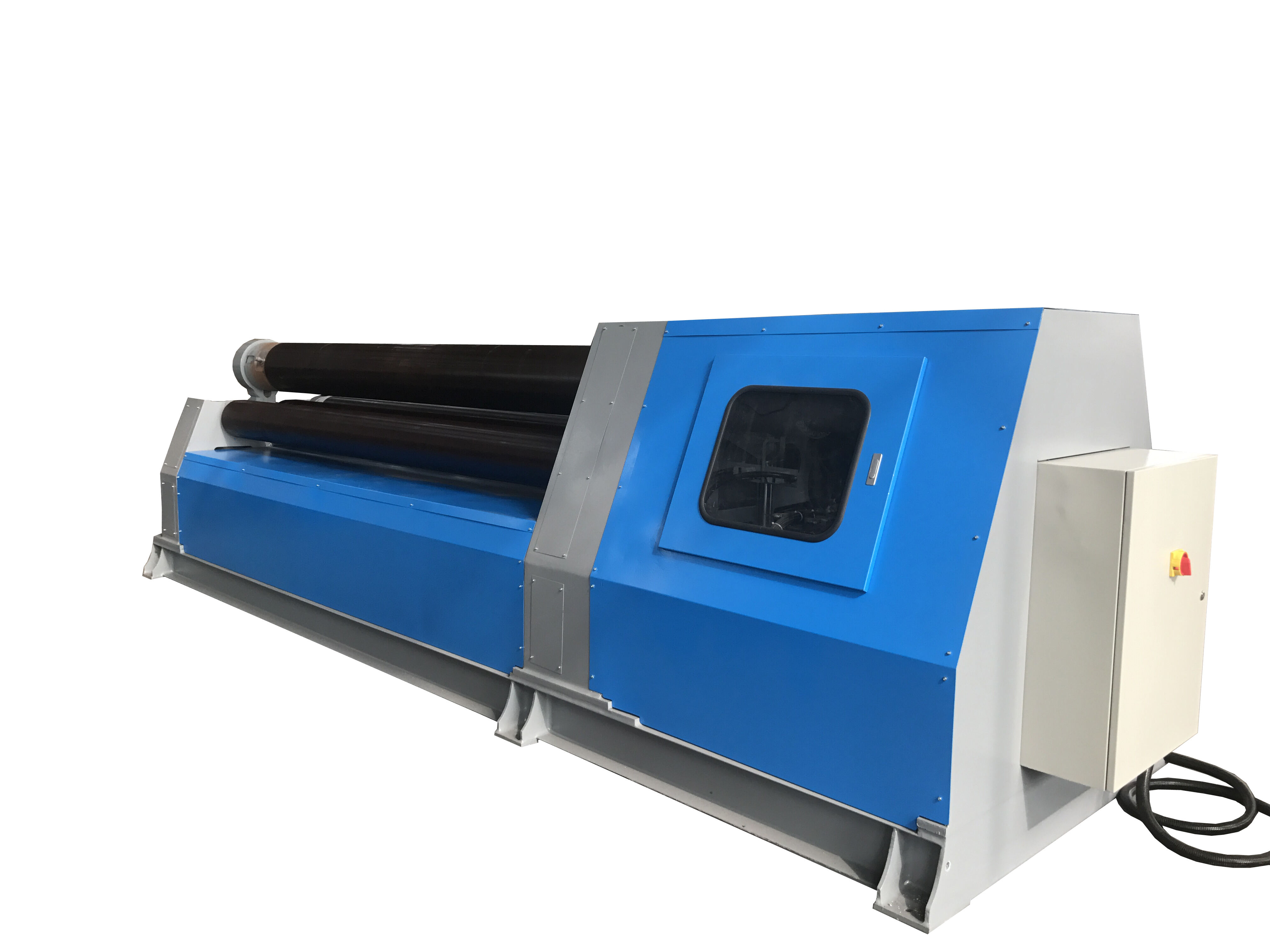
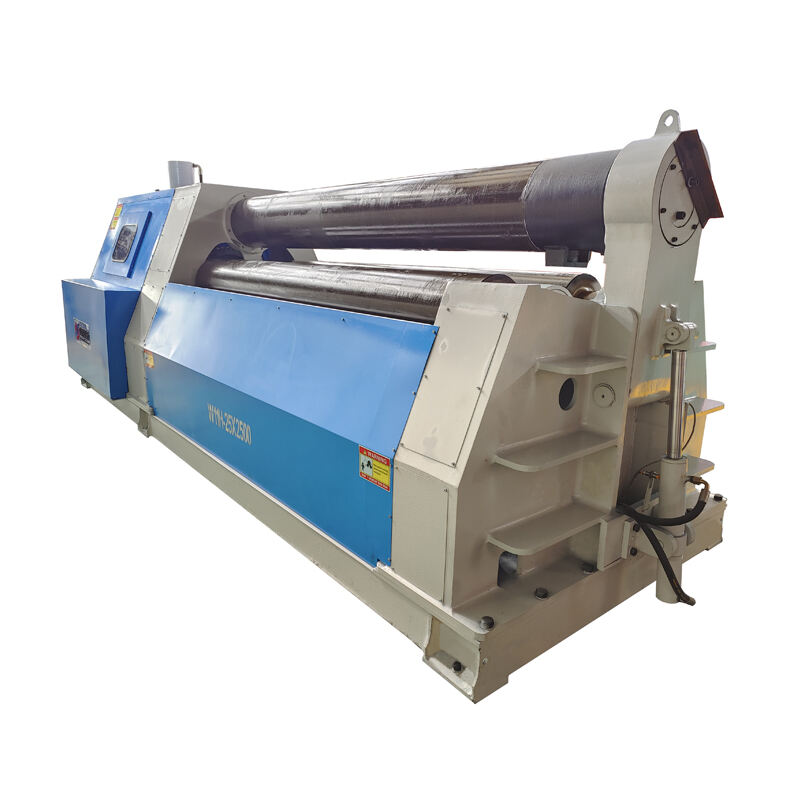
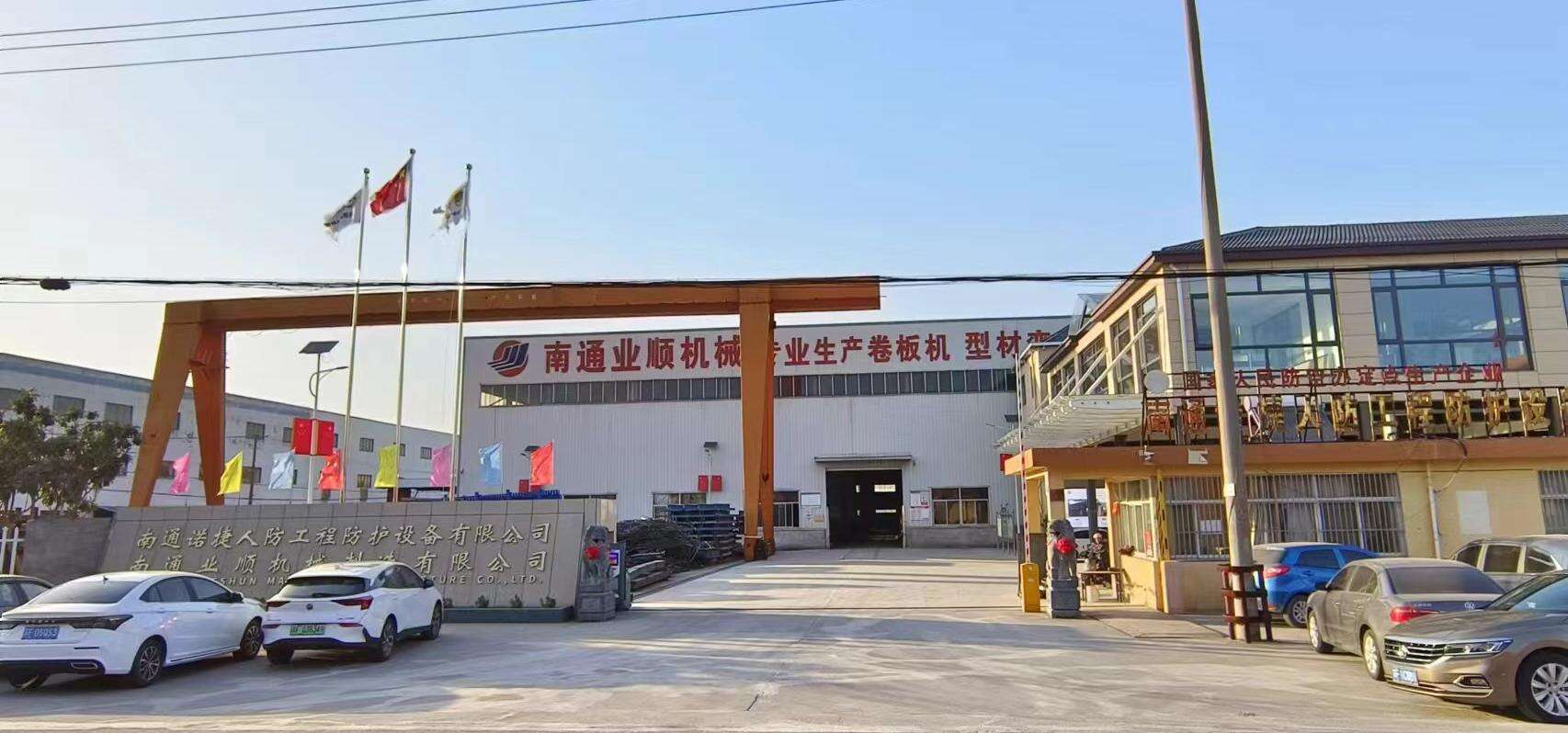
Nantong Yeshun Machinery Manufacture Co., Ltd., established in 2003, has developed the Automated Steel Rolling Machine for Mass Production Lines to address the high-efficiency, low-error demands of large-scale metal processing operations. This machine is rooted in our core expertise in metal forming equipment, drawing on absorbed foreign advanced automation technology and integrated with our independently developed CNC control systems—key features that distinguish it from conventional rolling machines. Unlike manual or semi-automated models, this automated solution is engineered to seamlessly integrate into continuous mass production lines, such as those used for manufacturing automotive structural components, household appliance metal casings, or standardized steel pipes. The technical advantages of this machine are multifaceted. First, its fully automated workflow includes intelligent material feeding, real-time rolling parameter adjustment, and automatic finished product unloading, all controlled via a user-friendly CNC interface (compatible with international standards like Siemens or Fanuc systems for global usability). This eliminates the need for constant manual intervention, reducing human error rates by over 25%—a critical factor for mass production where consistency directly impacts product quality. Second, the machine’s rolling mechanism, inspired by our high-performance W12 CNC four-roll plate rolling machine series, ensures stable pressure distribution and precise control over rolling thickness (ranging from 3mm to 80mm for carbon steel) and curvature, even when processing high-volume batches of up to 500 units per shift. In practical application scenarios, a leading Chinese automotive parts manufacturer recently integrated three of our Automated Steel Rolling Machines into their chassis component production line. Prior to adoption, the line relied on semi-automated machines that required 4 operators per shift and had a 5% defect rate. After installation, the same line now operates with 2 operators per shift, defect rates dropped to 1.2%, and overall production efficiency increased by 32%—results attributed to the machine’s automated sync with upstream material cutting and downstream welding processes. We understand that mass production lines vary in scale, material types, and output requirements. As such, our pre-sales service includes a detailed on-site assessment (or virtual assessment for international clients) to customize the machine’s feeding speed, rolling capacity, and system integration interfaces (e.g., compatibility with MES production management systems). Post-sales support covers remote technical troubleshooting, regular maintenance training, and spare parts supply with a 48-hour global dispatch commitment for critical components. For inquiries about pricing, customization options, or to discuss how this machine can fit your specific mass production needs, please contact our sales team directly.
 EN
 AR
 CS
 FR
 DE
 PL
 PT
 RU
 ES
 TL
 ID
 UK
 VI
 TH
 FA
 MS