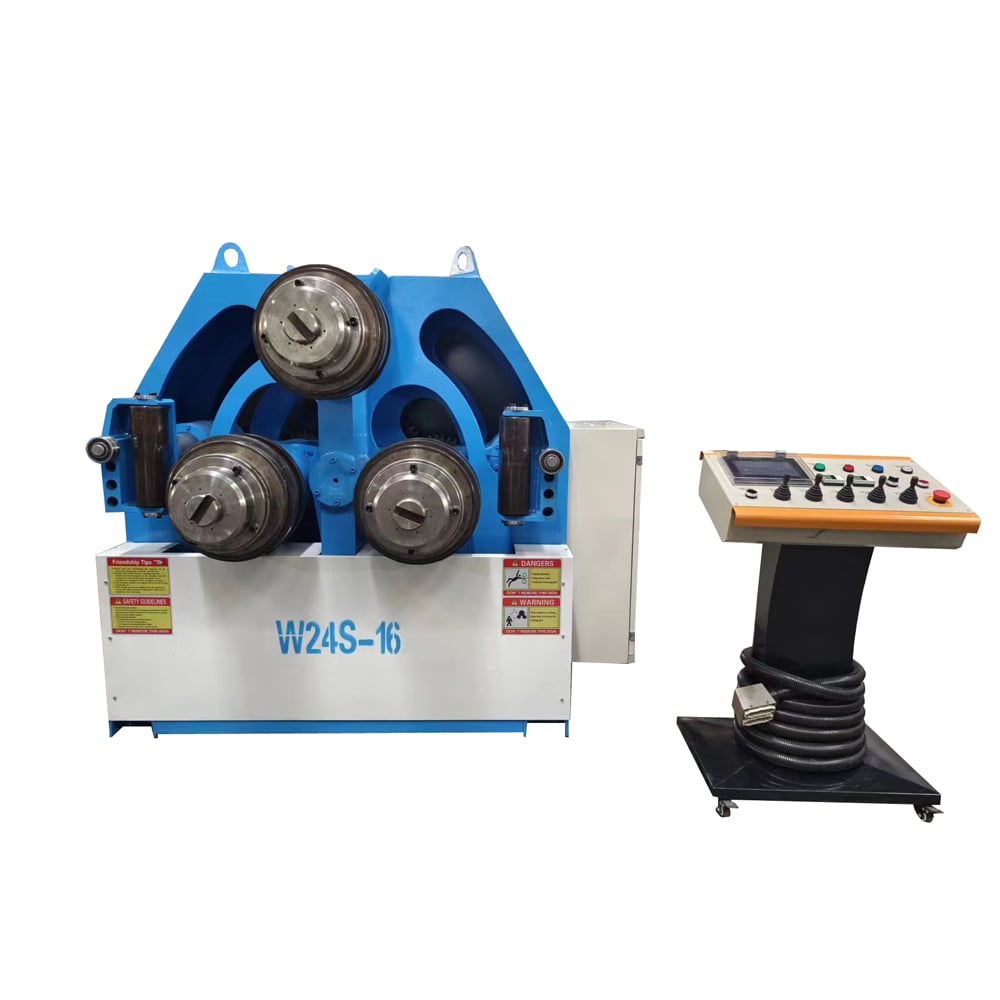
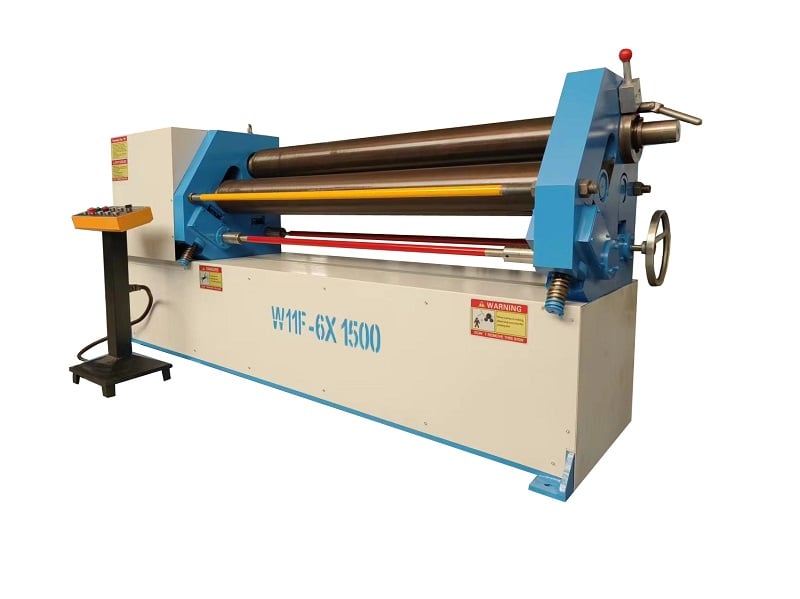
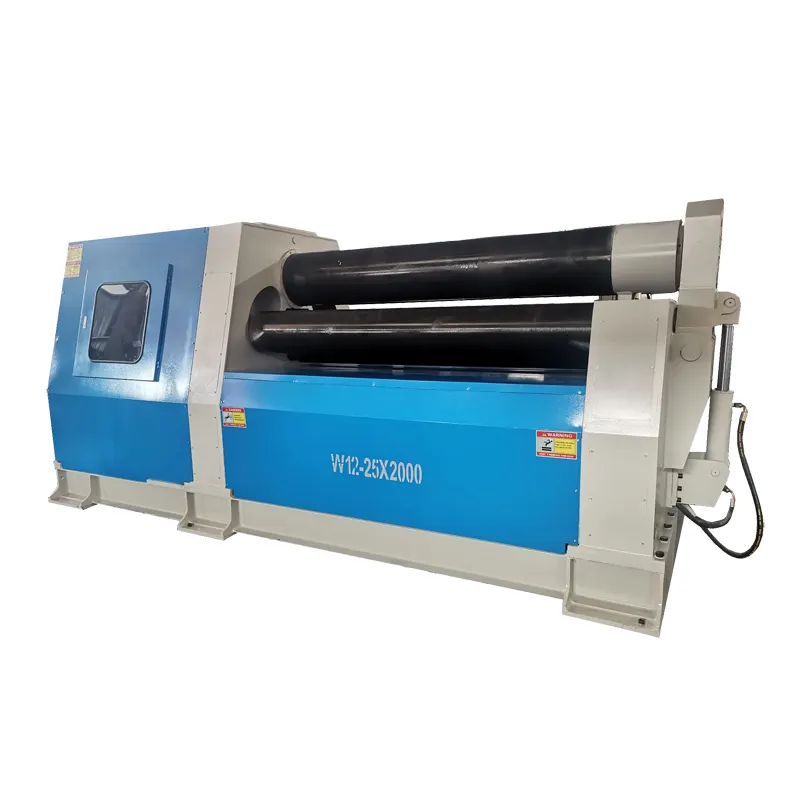
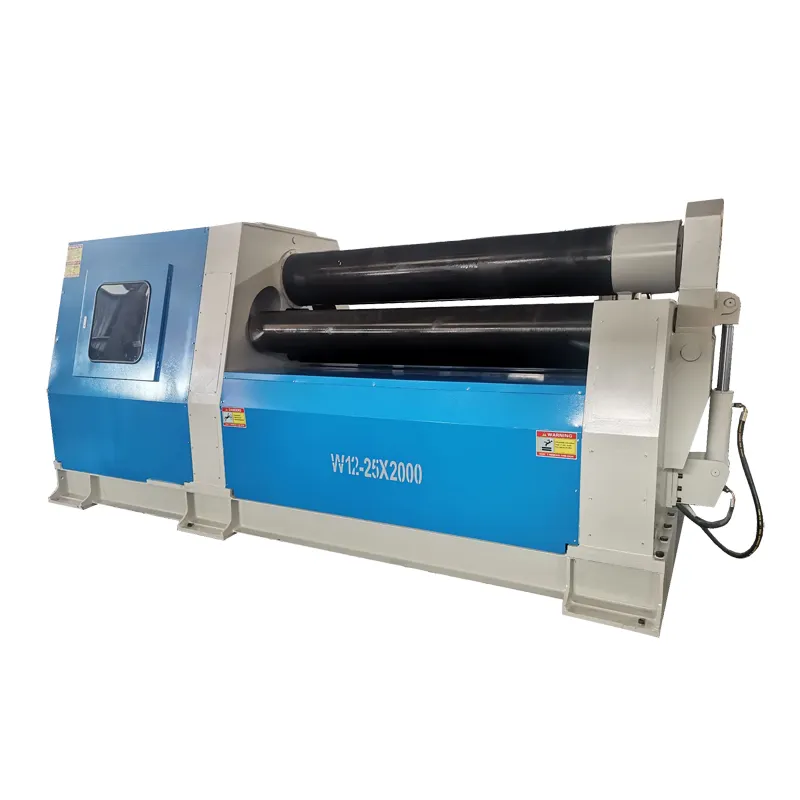
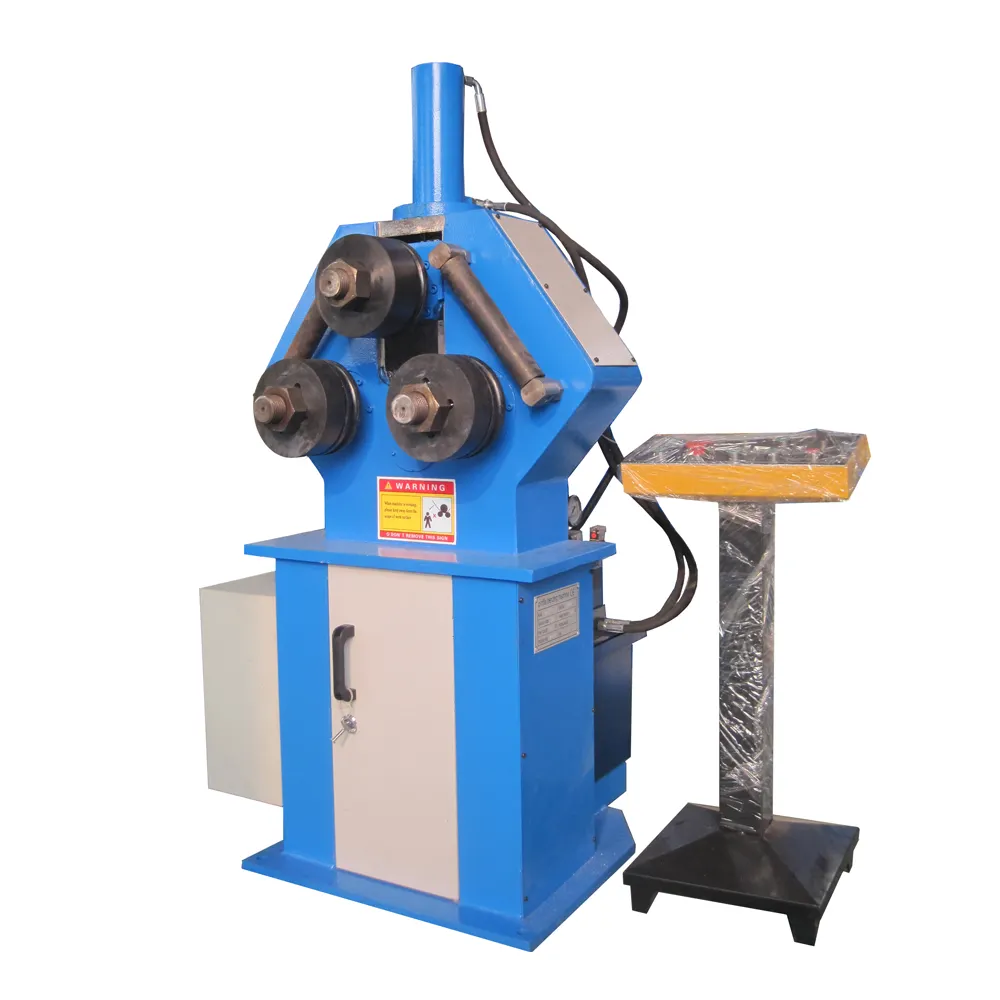
3 Roll Variable Center Distance Plate Rolling Machine: Precision and Flexibility in Metal Forming
The 3 roll variable center distance plate rolling machine represents a pinnacle of engineering excellence in metal forming equipment. Designed and manufactured by Nantong Yeshun Machinery Manufacture Co., Ltd., this advanced machine offers unparalleled flexibility and precision for a wide range of industrial applications. The variable center distance feature allows operators to adjust the distance between the rolls, enabling the machine to handle diverse material thicknesses and bending radii with remarkable ease. This adaptability makes it an ideal solution for industries such as shipbuilding, pressure vessel fabrication, petrochemical, construction, and more. Our machine is built with high-strength components, ensuring durability and long service life even under the most demanding conditions. Equipped with state-of-the-art CNC controls, it can execute complex bending operations with minimal manual intervention, enhancing productivity and reducing operational costs.
Get A Quote
 EN
 AR
 CS
 FR
 DE
 PL
 PT
 RU
 ES
 TL
 ID
 UK
 VI
 TH
 FA
 MS