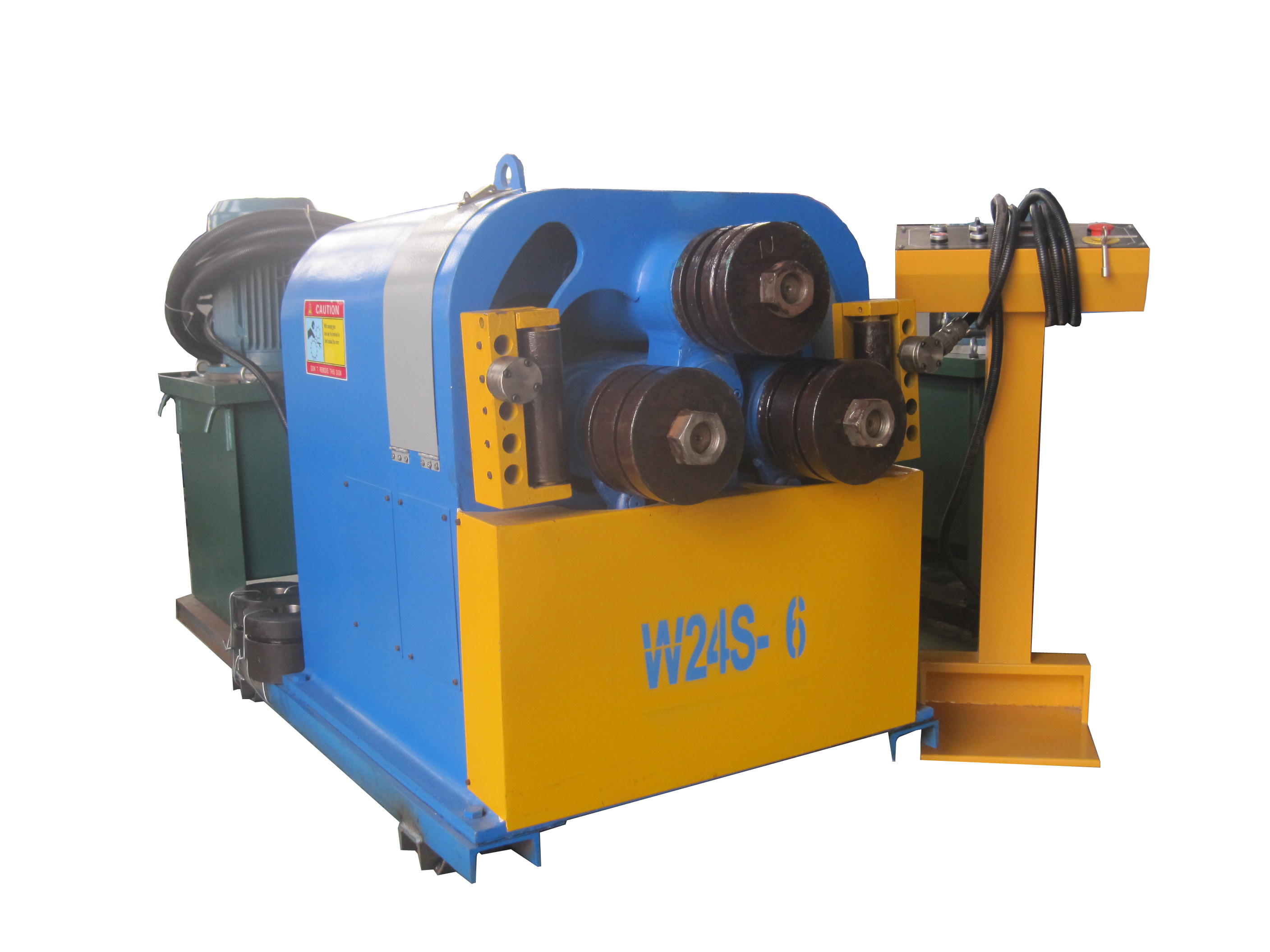
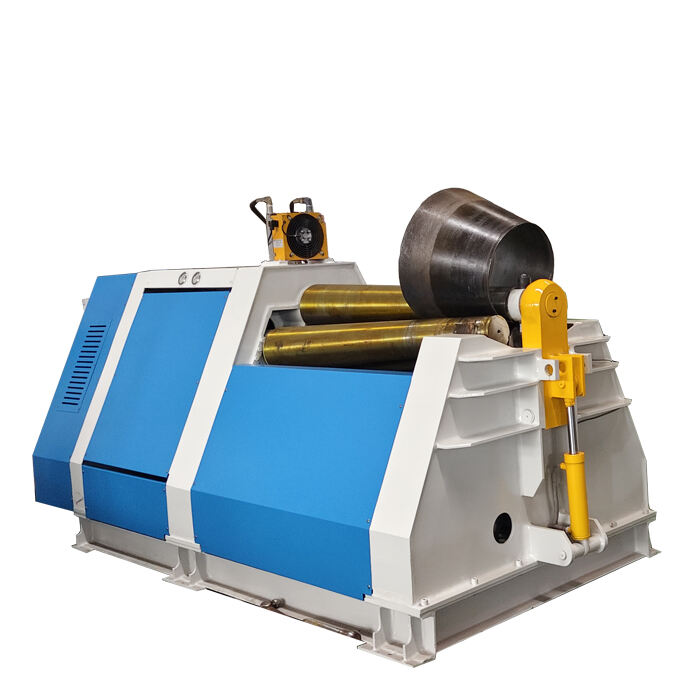
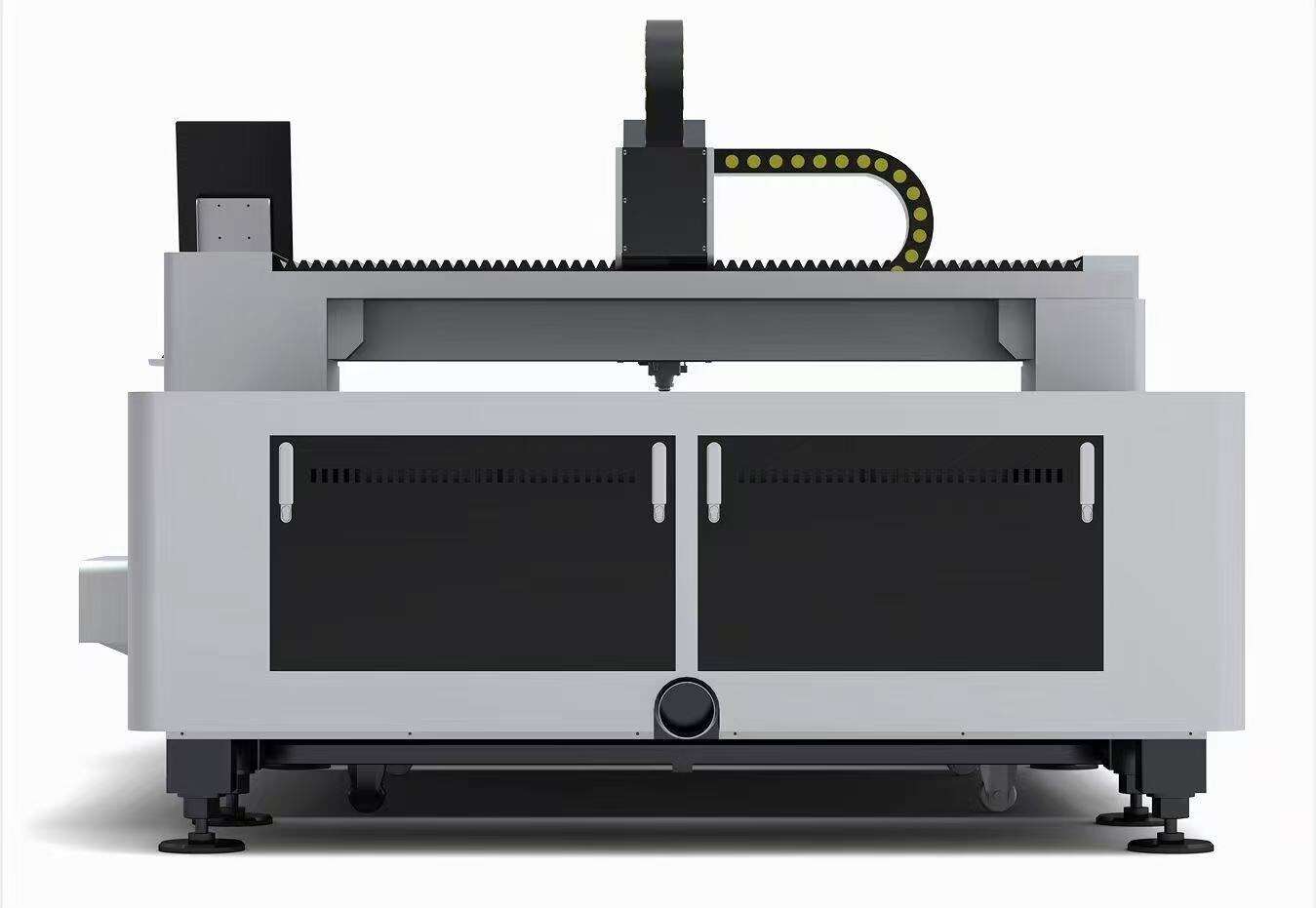
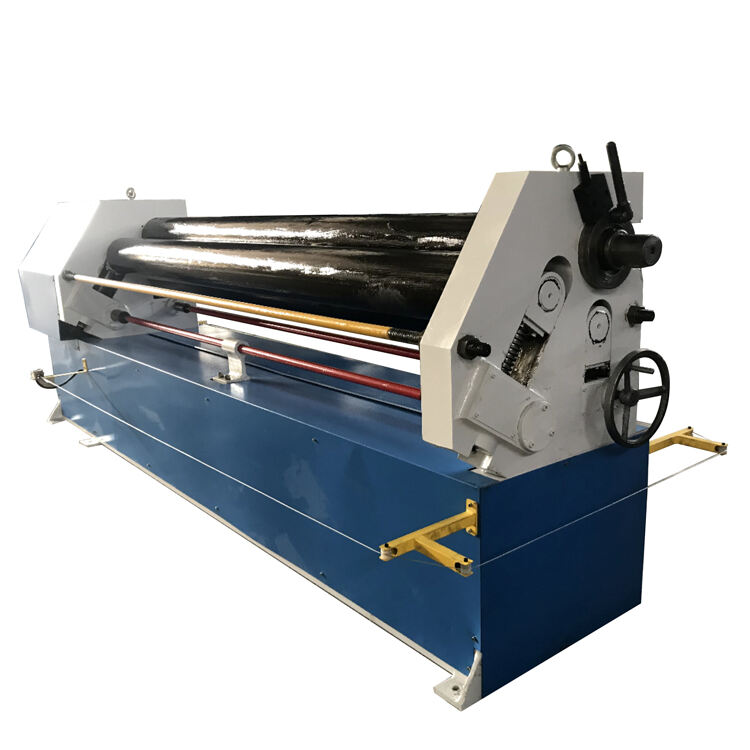
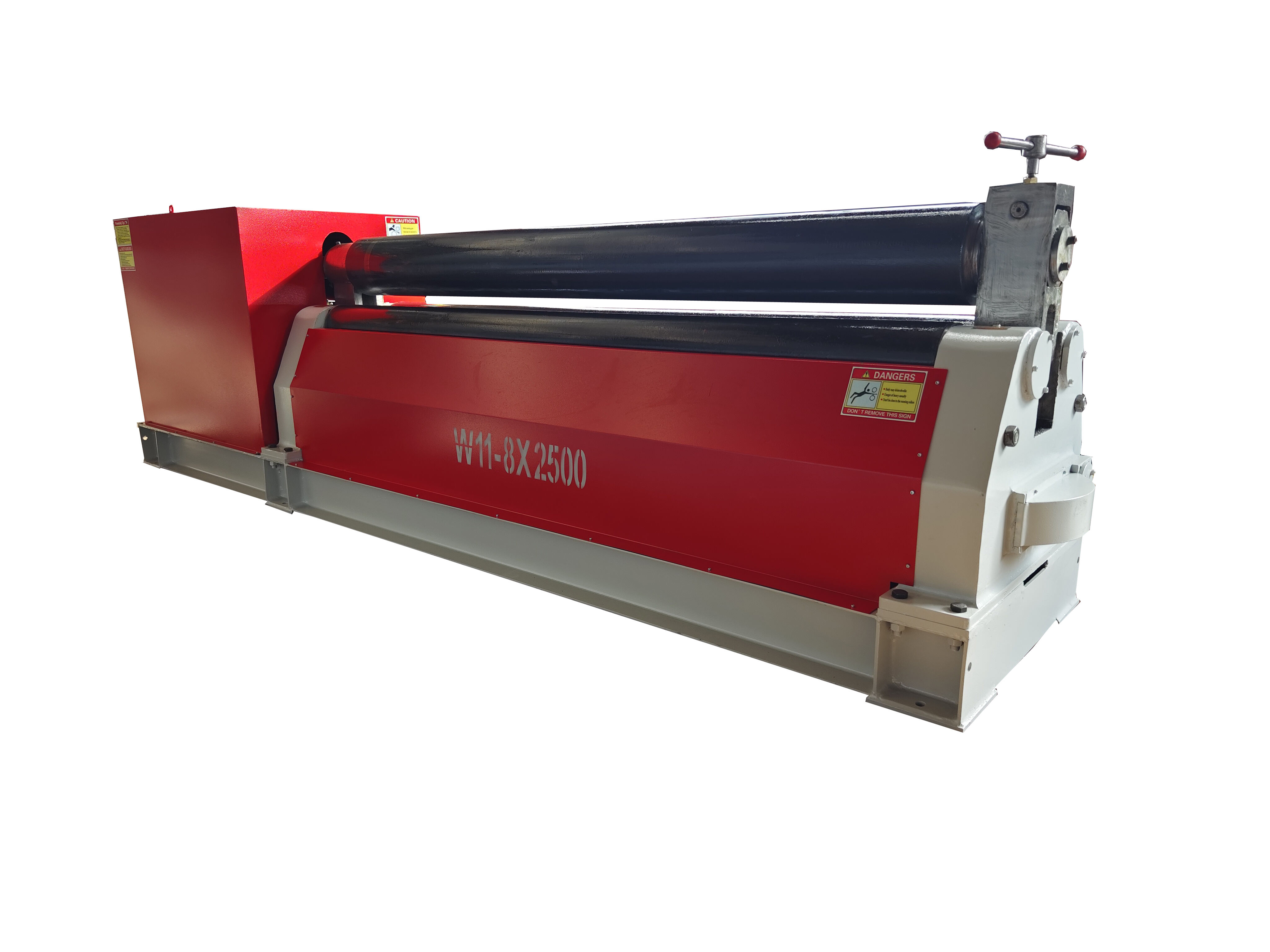
High-frequency bending operations—such as those in automotive component factories, appliance production lines, and standardized steel fabricators—process hundreds to thousands of plates per day, leading to rapid wear of critical machine components (rolls, bearings, hydraulic seals). This wear causes frequent downtime for replacement, increased maintenance costs, and declining bending accuracy over time—challenges that standard plate bending machines are not designed to withstand. Nantong Yeshun Machinery’s Wear-Resistant Plate Bending Machine (based on our W11 and W12 series) is engineered to address this challenge, integrating ultra-wear-resistant materials, reinforced components, and advanced surface treatments to extend component life by 300% compared to standard machines—ideal for high-frequency production environments. The wear-resistant features of this machine include: 1) Ultra-wear-resistant rolls: The rolling rolls are made from a proprietary tungsten carbide-cobalt (WC-Co) composite (85% WC, 15% Co) that achieves a surface hardness of HRC 70+—5 times more wear-resistant than standard 42CrMo alloy steel rolls. The rolls are manufactured using hot isostatic pressing (HIP) to eliminate internal defects, ensuring uniform wear resistance across their entire length. For applications with extremely abrasive materials (e.g., galvanized steel, NM450), we apply an additional diamond-like carbon (DLC) coating to the roll surface, further increasing wear resistance by 20%. 2) Reinforced bearings and seals: The machine uses heavy-duty tapered roller bearings (SKF Explorer series) with a chromium steel cage and ceramic rolling elements—these bearings have a load capacity 40% higher than standard bearings and resist wear from high-frequency rotation (up to 1500rpm). The hydraulic seals are made from perfluoroelastomer (FFKM) material that withstands high temperatures (up to 200°C) and chemical degradation from hydraulic fluids, extending seal life from 3 months (standard) to 12 months. 3) Wear-resistant frame and components: The machine’s frame and contact surfaces are coated with a ceramic-reinforced polymer (Cerakote) that has a surface hardness of HRC 50+ and resists scratches, dents, and corrosion from metal chips and coolant. The hydraulic lines are made from stainless steel (316L) with a polished outer layer that reduces abrasion from moving components, and the machine’s guide rails are lined with self-lubricating PTFE strips that minimize friction and wear. 4) Wear-monitoring system: The machine is equipped with ultrasonic thickness gauges and vibration sensors that monitor roll wear and bearing condition in real time. When roll wear exceeds 0.1mm or bearing vibration reaches critical levels, the system alerts the maintenance team—allowing for planned replacement during scheduled downtime (instead of unplanned emergency stops). The system also records wear data over time, allowing maintenance teams to optimize replacement schedules and reduce costs. A Chinese automotive component factory with a high-frequency bending line (processing 1200 2mm-thick mild steel plates per day for car body brackets) recently adopted our Wear-Resistant Plate Bending Machine. Prior to the upgrade, the factory’s standard machine required roll replacement every 2 months (4000 operating hours) and bearing replacement every 3 months, leading to 16 hours of downtime per year and \(20,000 in annual maintenance costs. After switching to Yeshun’s wear-resistant model, roll replacement intervals extended to 12 months (24,000 operating hours), bearing replacement intervals extended to 9 months, downtime dropped to 4 hours per year, and annual maintenance costs were reduced to \)5,000. The factory’s production manager stated that “the wear-resistant machine has transformed our high-frequency line—we spend far less time on maintenance, and the consistent roll wear means our bracket curvature accuracy doesn’t decline over time. It’s helped us meet our production targets without compromising quality.” Our pre-sales service includes a detailed analysis of your high-frequency bending operations (production volume, material type, plate thickness) to recommend the optimal wear-resistant components (e.g., WC-Co rolls vs. DLC-coated rolls). We provide a wear life prediction and a cost-benefit analysis comparing our machine to standard models. Post-sales support includes training for your maintenance team on wear monitoring and replacement procedures, and a 2-year warranty on wear-resistant components (rolls, bearings, seals). For inquiries about the machine’s wear resistance, expected component life, or to request a wear test with your materials, please contact our high-frequency solutions team.
 EN
 AR
 CS
 FR
 DE
 PL
 PT
 RU
 ES
 TL
 ID
 UK
 VI
 TH
 FA
 MS