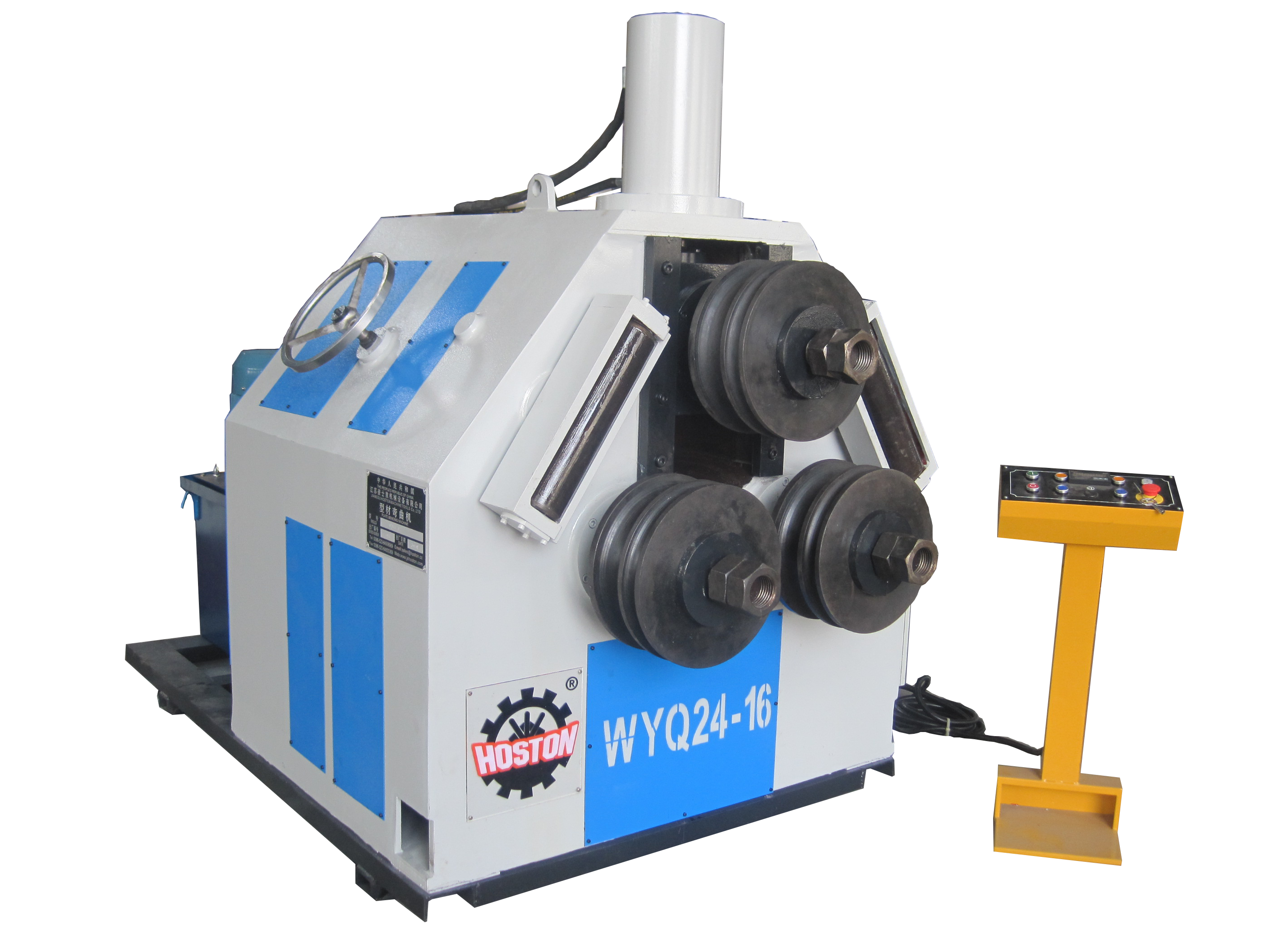
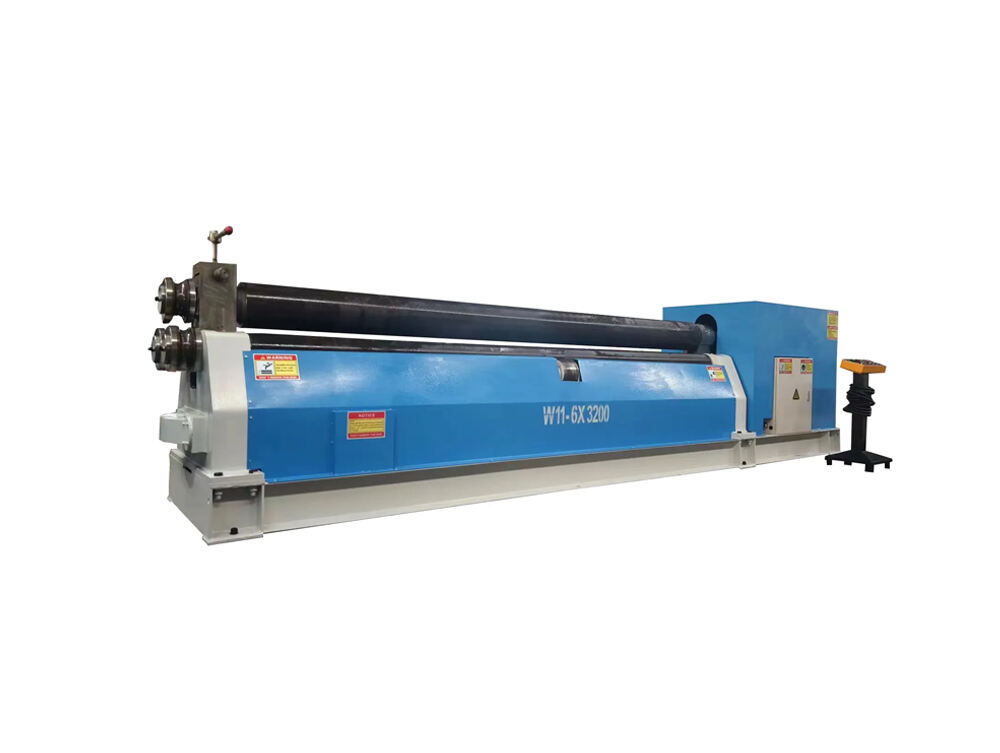
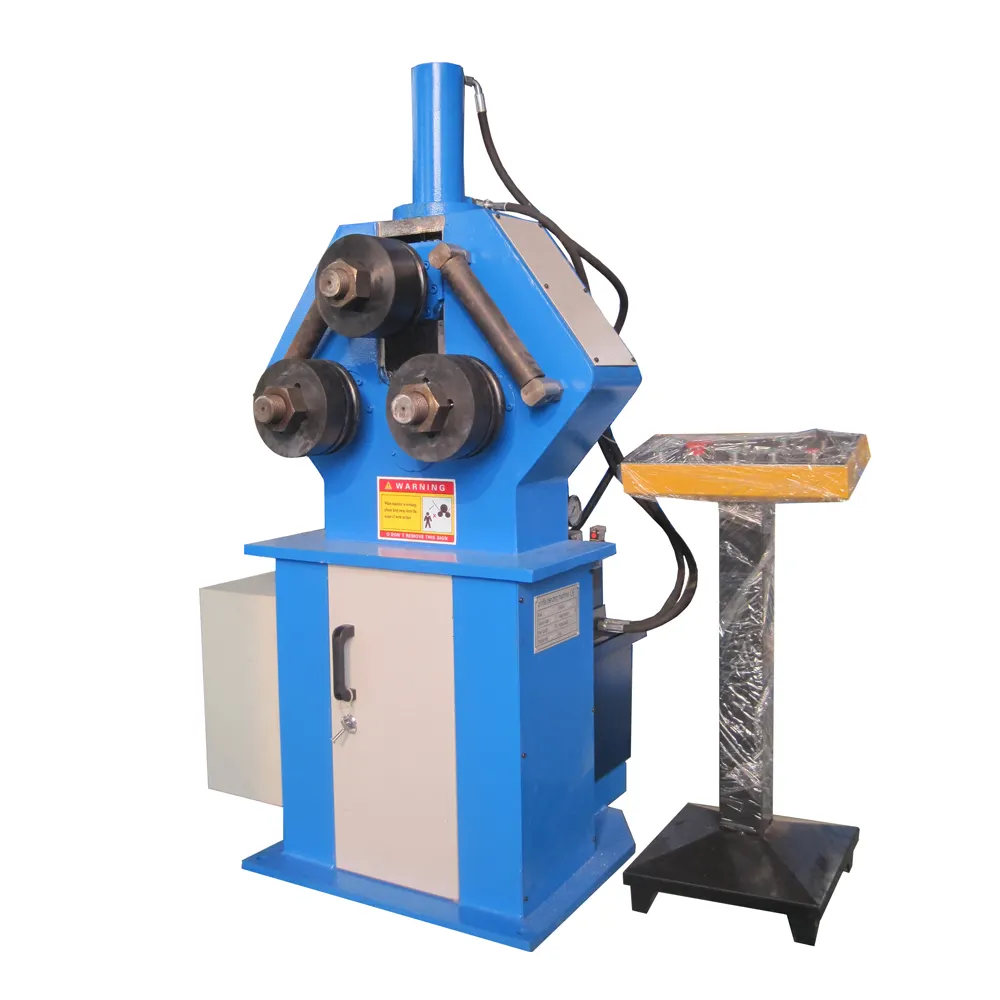
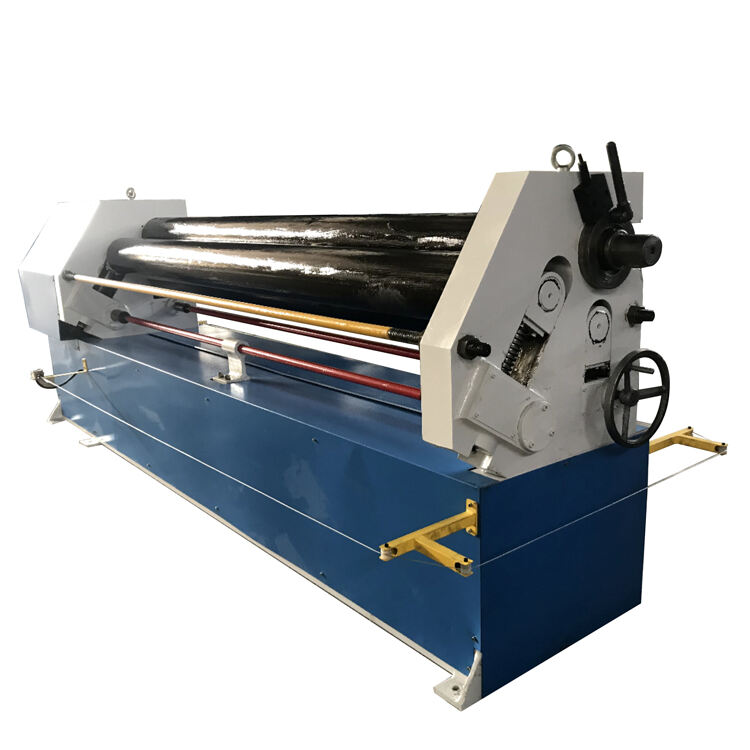
Rising energy costs and sustainability goals are driving factories to seek equipment that reduces energy consumption without compromising productivity, and plate bending machines—traditionally energy-intensive due to hydraulic systems and high-power motors—are a key target for efficiency improvements. Standard plate bending machines often operate at constant power levels (even during idle periods) and use inefficient hydraulic systems that waste energy, leading to high monthly utility bills. Nantong Yeshun Machinery’s Low-Energy Plate Bending Machine (based on our W11 and W12 series) is engineered to address this challenge, integrating energy-efficient components, smart power management, and eco-friendly design to reduce energy consumption by 35% compared to standard models—delivering significant cost savings for factories. The energy-saving features of this machine include: 1) Variable-frequency drive (VFD) motors: The machine’s main drive and hydraulic pump motors use VFD technology that adjusts power output based on demand—e.g., reducing motor speed from 1500rpm to 800rpm during idle periods (cutting energy use by 60% when not rolling) and increasing speed only when bending thick plates. This eliminates the “always-on” high-power operation of standard machines, which waste energy even when not processing plates. 2) Energy-efficient hydraulic system: The hydraulic system uses a variable-displacement pump that adjusts oil flow based on pressure demand—delivering only the flow needed for the current bending task (e.g., low flow for thin plates, high flow for thick plates) instead of constant maximum flow. The system also includes an energy recovery unit that captures hydraulic energy from roll deceleration and stores it in an accumulator, reusing it to power subsequent bending cycles—reducing net energy consumption by an additional 10%. 3) Smart power management software: The machine’s CNC system (Siemens or Fanuc) includes energy management software that optimizes power use based on production schedules—e.g., putting non-essential components (e.g., auxiliary lights, cooling fans) into low-power mode during breaks, and synchronizing high-energy tasks (e.g., bending thick plates) to avoid peak energy demand periods (which often have higher utility rates). The software also provides real-time energy consumption data (kWh per plate) and weekly/monthly energy reports, allowing factories to track savings and identify further efficiency opportunities. 4) Eco-friendly design: The machine’s frame is made from recycled steel (30% recycled content) to reduce embedded energy, and the hydraulic fluid is a bio-degradable, low-viscosity formulation that reduces pump energy requirements by 5%. The machine also uses LED lighting and low-power sensors to minimize auxiliary energy use. A Brazilian steel fabrication factory with 5 plate bending machines recently adopted our Low-Energy Plate Bending Machine to reduce their monthly energy bills. Prior to the upgrade, the factory’s standard machines consumed an average of 18kWh per hour, resulting in a monthly energy cost of \(12,000 for bending operations. After switching to Yeshun’s low-energy model, the machine consumed an average of 11.7kWh per hour, reducing monthly energy costs by \)3,900—a 32.5% savings. Over a year, this translates to $46,800 in energy cost reduction. The factory’s sustainability manager stated that “the low-energy machine has been a win-win—we’re saving money on utilities, reducing our carbon footprint, and still processing the same number of plates per day. It’s helped us meet our sustainability goals while improving our bottom line.” Additionally, the machine maintained the same bending performance as the old model, processing 5-25mm-thick mild steel plates with a curvature accuracy of ±0.1mm. Our pre-sales service includes an energy audit of your current plate bending operations (measuring energy use, identifying inefficiencies) to calculate potential savings with our low-energy machine. We provide a detailed cost-benefit analysis (including payback period, based on your local energy rates) and a demonstration of the energy-saving features. Post-sales support includes training for your operators on energy-efficient operation (e.g., optimizing batch sizes to reduce idle time), and software updates to enhance energy management features. For inquiries about the machine’s energy consumption, cost savings potential, or to request an energy audit for your factory, please contact our cost-saving solutions team.
 EN
 AR
 CS
 FR
 DE
 PL
 PT
 RU
 ES
 TL
 ID
 UK
 VI
 TH
 FA
 MS