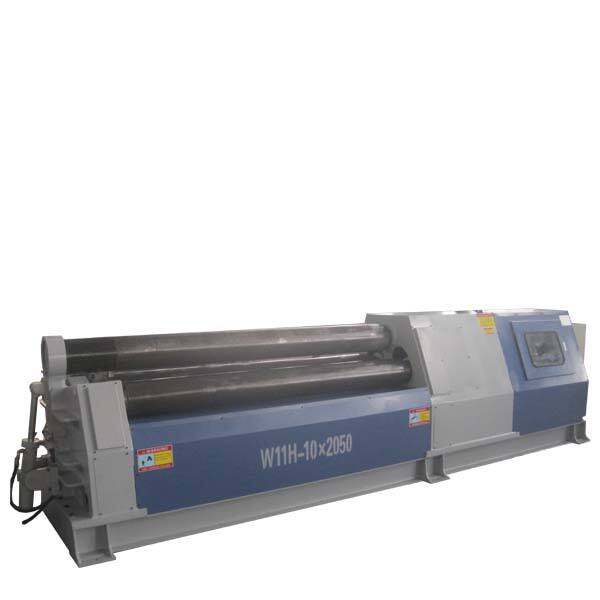
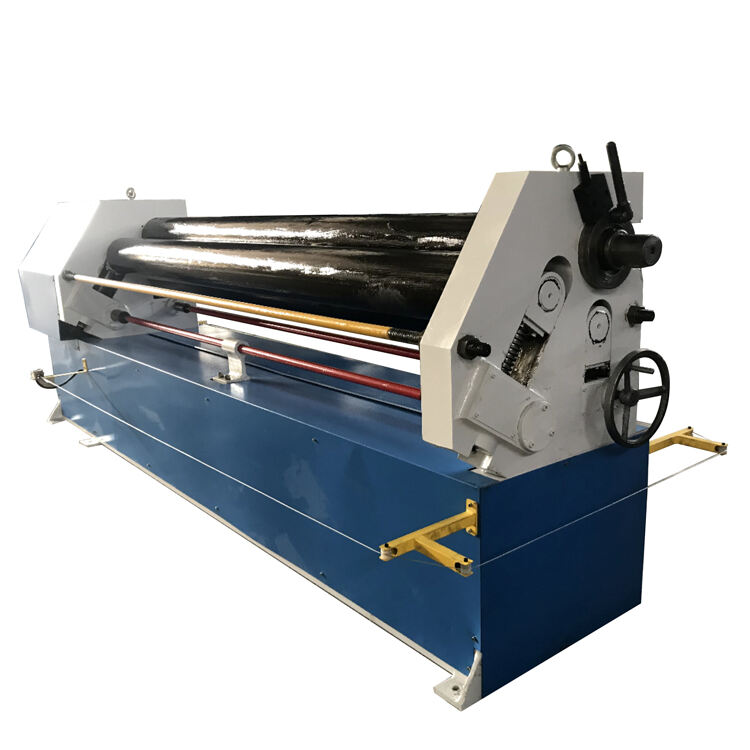
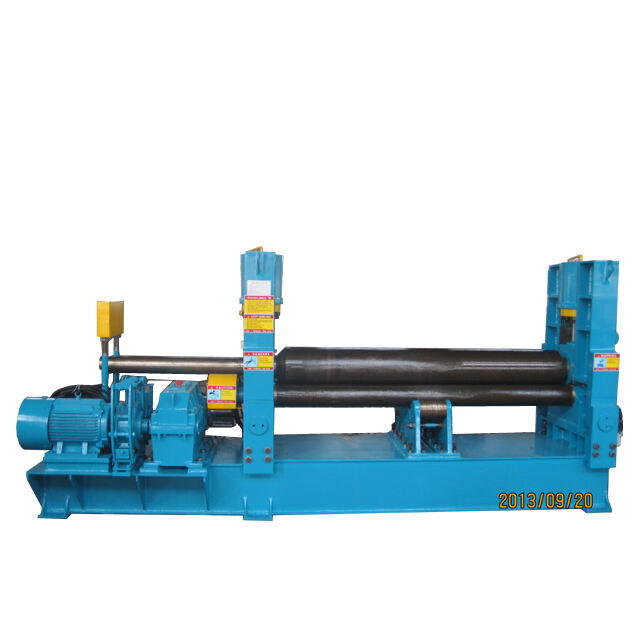
Automotive parts production—from chassis components and body panels to engine mounts and exhaust systems—requires sheet rolling machines that can handle high-volume production, process a variety of materials (mild steel, stainless steel, aluminum), and meet the automotive industry’s strict quality and safety standards (e.g., IATF 16949). Nantong Yeshun Machinery’s Industrial Sheet Rolling Machine for Automotive Parts Production is designed to address these demands, combining our robust metal forming technology (built on the success of our W11 and W12 series machines) with automotive-specific features that enhance efficiency, ensure material compatibility, and support integration into automotive assembly lines. This machine is a critical asset for Tier 1 and Tier 2 automotive suppliers seeking to optimize their production processes. Key features of this machine tailored to automotive parts production include: 1) High-volume processing capability: The machine can roll up to 1,200 sheets per shift (thickness 0.5-15mm, width up to 2000mm) with a cycle time of 30 seconds per sheet—fast enough to keep up with automotive assembly line speeds (typically 60-90 vehicles per hour). 2) Material versatility: The machine’s rolling rolls and control system are optimized for the materials commonly used in automotive parts: for mild steel (e.g., SAE 1010) used in chassis components, it uses high-torque rolling to ensure shape retention; for aluminum (e.g., 6061) used in lightweight body panels, it uses low-force, high-speed rolling to prevent material cracking; for stainless steel (e.g., 304) used in exhaust systems, it uses heat-resistant rolls to handle high-temperature processing. 3) Line integration: The machine is equipped with standardized interfaces (e.g., PROFINET, Ethernet/IP) to connect with automotive production lines, enabling automated material transfer (via robotic arms or conveyors) and synchronization with upstream cutting and downstream welding processes. This integration reduces manual handling by 80%, minimizing the risk of material damage and improving production flow. 4) Quality traceability: The machine’s CNC system records rolling parameters (force, speed, temperature) for each sheet, storing data in a searchable database that can be linked to part serial numbers. This traceability is essential for meeting automotive industry requirements for full production documentation. A Tier 1 automotive supplier in Mexico uses five of our Industrial Sheet Rolling Machines to produce steel chassis rails for a major North American automaker. The supplier’s production line requires rolling 3mm-thick SAE 1010 steel sheets into C-shaped rails with a length of 3m, with a production target of 800 rails per day. Prior to using Yeshun’s machines, the supplier struggled with bottlenecks due to slow rolling speeds (400 rails per day) and inconsistent rail curvature (leading to 10% assembly rejections). After integrating Yeshun’s high-speed machines with their assembly line, production increased to 900 rails per day, and assembly rejections dropped to 2%. The supplier’s operations manager noted that “the Yeshun machines fit seamlessly into our automotive production ecosystem—they’re fast, reliable, and produce parts that meet our customer’s exact specifications every time.” We understand that automotive parts production is highly dynamic, with frequent model changes and evolving material requirements (e.g., increased use of aluminum for lightweighting). Our pre-sales service includes collaboration with your engineering team to review part designs, confirm material specifications, and customize the machine’s rolling parameters for new part launches. Post-sales support includes rapid response to production issues (24-hour technical support for automotive clients) and software updates to adapt the machine to new materials or part designs. For inquiries about how this machine can support your automotive parts production, or to request a production line integration proposal, please contact our automotive solutions team.
 EN
 AR
 CS
 FR
 DE
 PL
 PT
 RU
 ES
 TL
 ID
 UK
 VI
 TH
 FA
 MS