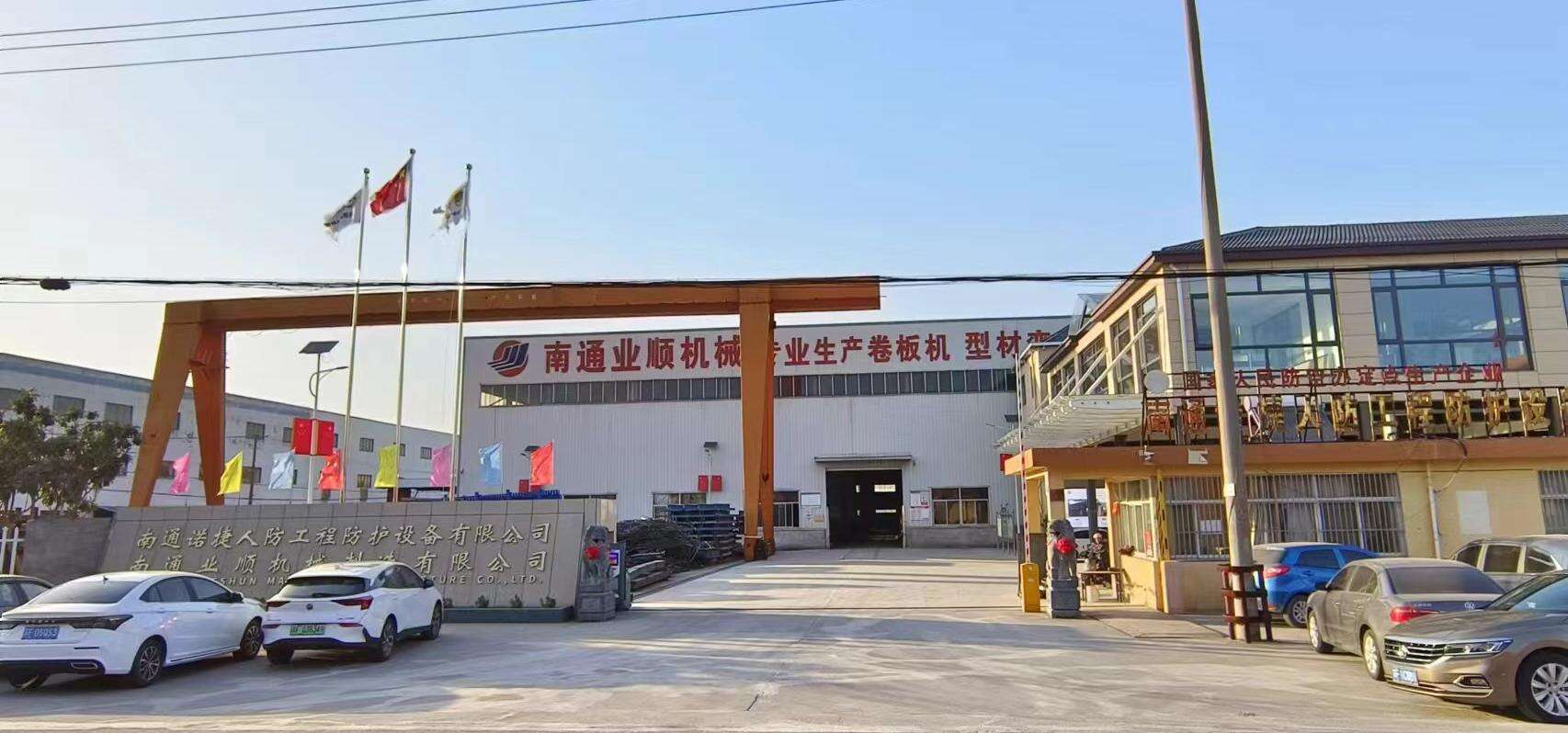
High-precision hydraulic presses for micro-stamping are specialized equipment designed to produce micro-scale metal parts— typically with dimensions ranging from 0.1mm to 10mm— for industries such as micro-electronics (e.g., chip carriers, micro-switches), medical devices (e.g., insulin needle hubs, micro-valves), and precision instrumentation (e.g., watch gears, sensor components). These presses deliver ultra-precise pressure control (resolution as low as 0.01MPa) and positional accuracy (ram position resolution up to 0.0001mm), along with features like vibration dampening and cleanroom compatibility— all critical for ensuring the dimensional stability and surface quality of micro-parts, where even minor deviations can render parts non-functional. A manufacturer of micro-medical devices provides a prime application example. The company produces insulin needle hubs, which are stamped from 0.2mm-thick 316L stainless steel sheets into parts with an outer diameter of 2mm and an inner hole of 0.5mm— requiring a stamping tolerance of ±0.005mm. To meet this requirement, the manufacturer adopted a 50-ton high-precision hydraulic press with a servo-hydraulic control system. The press uses a piezoelectric load cell to monitor pressure in real time, with a measurement accuracy of ±0.1% of full scale— ensuring that the 20MPa pressure required for stamping the hubs is maintained within ±0.02MPa. The press’s ram is guided by air bearings (instead of traditional mechanical bearings) to eliminate friction and reduce positional error to less than 0.0005mm. Additionally, the press is installed on a vibration isolation base to prevent external vibrations (from nearby equipment) from affecting the stamping process— a critical factor for micro-parts, where vibration can cause edge burrs or dimensional variations. As a result, the manufacturer achieves a part qualification rate of 99.9%, meeting the strict standards of the medical device industry (e.g., FDA 21 CFR Part 820). In the micro-electronics industry, a producer of chip carriers uses a 30-ton high-precision hydraulic press to stamp 0.1mm-thick copper-clad laminates into parts with 0.05mm-wide slots. The press’s slow, controlled ram speed (adjustable from 0.01mm/s to 0.1mm/s) allows for precise material flow, preventing the thin copper layer from cracking. The press also features a vacuum system that holds the small laminates in place during stamping, ensuring accurate alignment with the die. After stamping, the press’s integrated vision system inspects each chip carrier for dimensional accuracy and surface defects— rejecting any parts that do not meet specifications and sending feedback to the press’s control system to adjust parameters if needed. High-precision hydraulic presses for micro-stamping also require cleanroom compatibility. Many models feature stainless steel exteriors, sealed hydraulic systems (to prevent oil leaks), and HEPA filters (to remove airborne particles)— making them suitable for Class 1000 or Class 100 cleanrooms. This is essential for medical device and micro-electronics manufacturing, where contamination can lead to product failure or health risks. While Nantong Yeshun Machinery’s core expertise is in larger-scale metal forming equipment, we recognize the growing demand for high-precision micro-stamping solutions. Our engineering team can design custom high-precision hydraulic presses tailored to specific micro-part requirements, including custom die mounting systems, integrated inspection modules, and cleanroom modifications. These presses can be integrated with other micro-manufacturing equipment (e.g., laser cutters for pre-cutting micro-sheets) to create a complete micro-production line. If you require a high-precision hydraulic press for micro-stamping— whether for medical devices, micro-electronics, or precision instrumentation— contact Yeshun Machinery. Our team will work with your micro-engineering specialists to define technical specifications (pressure range, positional accuracy, cleanroom class) and conduct prototype testing to validate part quality. We also offer specialized training for operators to ensure they can maximize the press’s precision and efficiency.
 EN
 AR
 CS
 FR
 DE
 PL
 PT
 RU
 ES
 TL
 ID
 UK
 VI
 TH
 FA
 MS