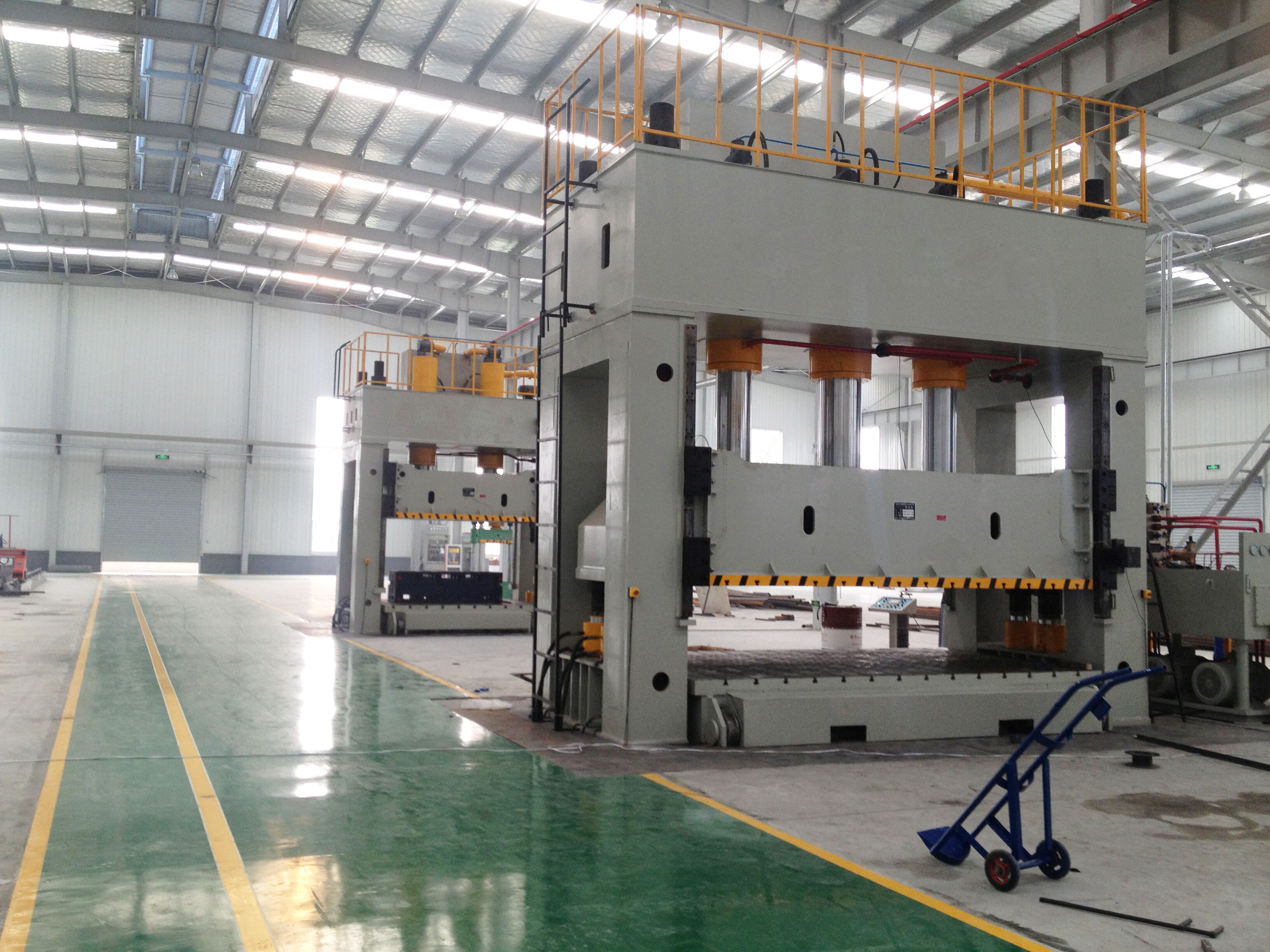
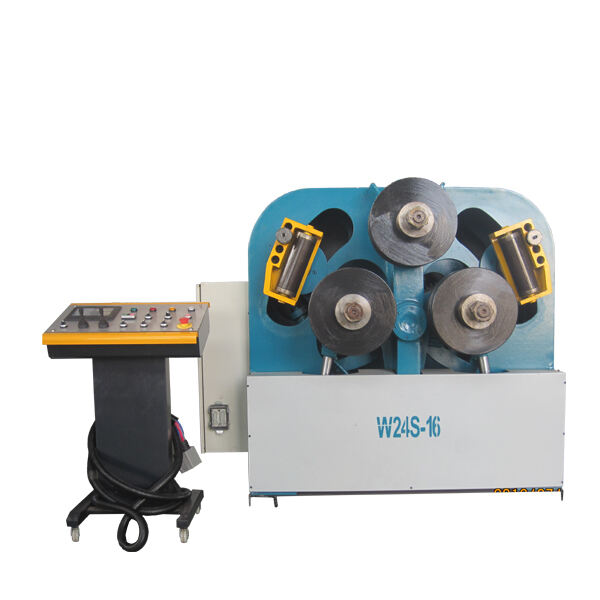
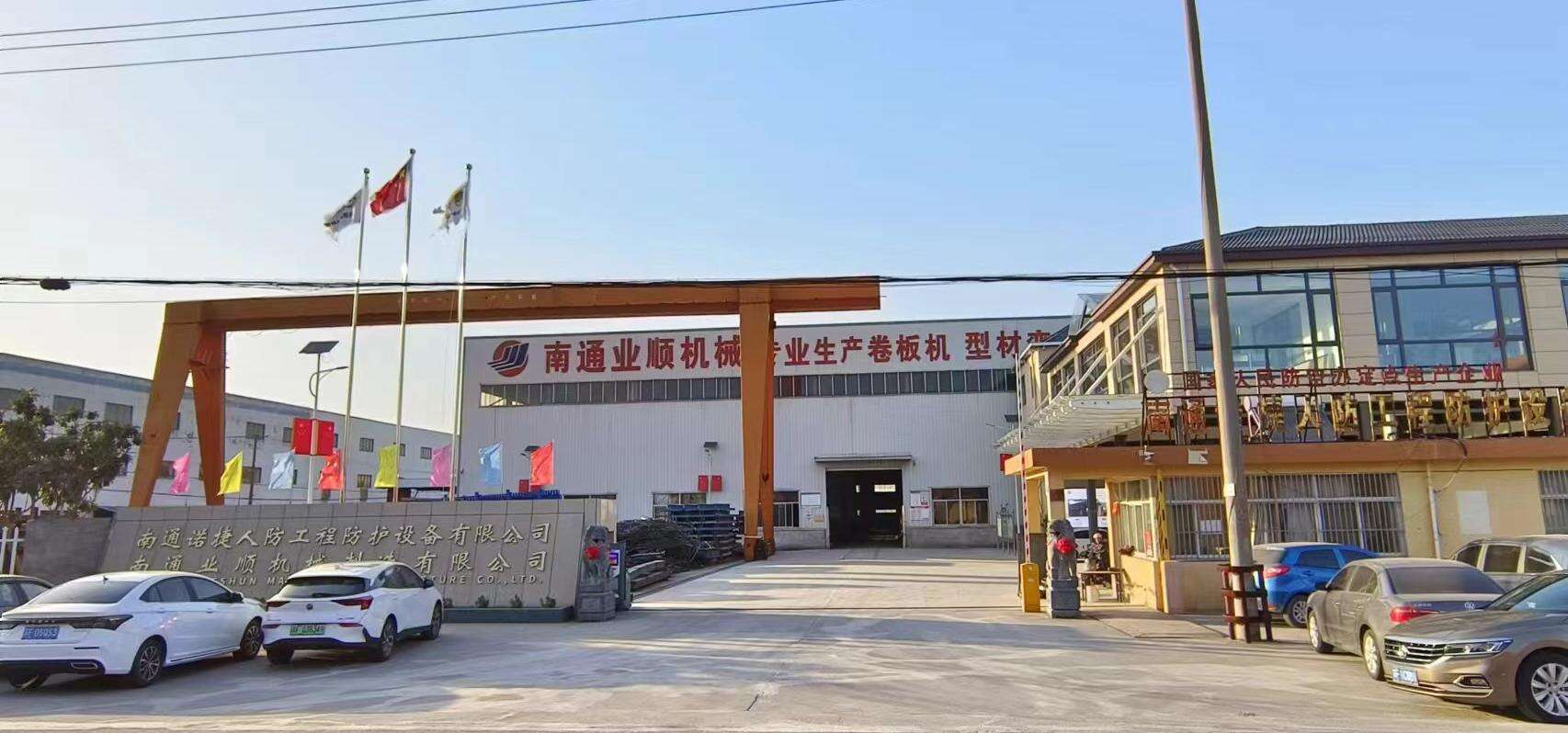
Heavy-duty hydraulic presses (with tonnages typically ranging from 500 tons to 5000 tons or more) are engineered to handle the stamping, forming, and forging of large metal parts— a critical need in industries such as heavy machinery manufacturing (e.g., excavator bases, bulldozer frames), shipbuilding (e.g., large hull components), and power generation (e.g., turbine casings). These presses feature robust, large-scale frames (often with a four-column or frame-type design), high-capacity hydraulic systems, and oversized worktables to accommodate large workpieces (with dimensions up to 10m×5m or more). Their ability to deliver high, uniform forces over large areas ensures that large metal parts are formed accurately and consistently, meeting the structural integrity requirements of heavy industries. A heavy machinery manufacturer in North China, which produces large excavators (with operating weights of 50 tons or more), provides a compelling application example. The company needs to form 50mm-thick Q690 high-strength steel plates into excavator bases— large components measuring 3m×2m×0.5m. To handle this task, the manufacturer adopted a 2000-ton heavy-duty hydraulic press with a four-column design and a 4m×3m worktable. The press’s frame is constructed using welded Q345B high-strength steel, reinforced with internal ribs to withstand the high loads (up to 2000 tons) without deflection. The hydraulic system uses a double-pump configuration— a low-pressure pump for rapid ram movement (reducing cycle time) and a high-pressure pump for applying forming force— allowing the press to form a single excavator base in 15 minutes (compared to 30 minutes with a smaller press). The press also features a heated platen option, which is used when forming thick steel plates to reduce material brittleness and improve formability. In shipbuilding, a yard producing large cargo ships uses a 3000-ton heavy-duty hydraulic press to forge 80mm-thick shipbuilding steel plates into curved hull sections. The press’s large worktable and adjustable ram allow it to handle hull sections up to 6m×4m, and its multi-point pressure control system ensures that the curved sections have a uniform radius (tolerance ±1mm), critical for ensuring the hull’s hydrodynamic efficiency. The press is integrated with an automated material handling system (including cranes and roller conveyors) to move the heavy steel plates (weighing up to 10 tons each) to and from the press— reducing manual labor and improving safety. Heavy-duty hydraulic presses also play a key role in the power generation industry. A manufacturer of wind turbine towers uses a 1500-ton heavy-duty hydraulic press to stamp 20mm-thick steel plates into flange components (with diameters up to 4m). The press’s high-pressure force ensures that the flanges have a flatness tolerance of ±0.1mm/m, which is essential for connecting tower sections securely. While Nantong Yeshun Machinery’s existing product range focuses on plate rolling machines and shearing machines, we have the engineering capability to design and supply custom heavy-duty hydraulic presses for large metal part manufacturing. These presses can be tailored to specific part sizes, material types, and forming processes (e.g., cold stamping, hot forging). Additionally, Yeshun can integrate these presses with our plate rolling machines to create a “rolling-forming” line for large cylindrical parts (e.g., pressure vessels). If you need a heavy-duty hydraulic press for large metal parts— whether for heavy machinery, shipbuilding, or power generation— contact Yeshun Machinery. Our team will conduct a detailed analysis of your part specifications (size, material, forming requirements) and provide a custom press design, including technical drawings, performance simulations, and cost estimates. We also offer on-site installation and training to ensure the press operates safely and efficiently.
 EN
 AR
 CS
 FR
 DE
 PL
 PT
 RU
 ES
 TL
 ID
 UK
 VI
 TH
 FA
 MS