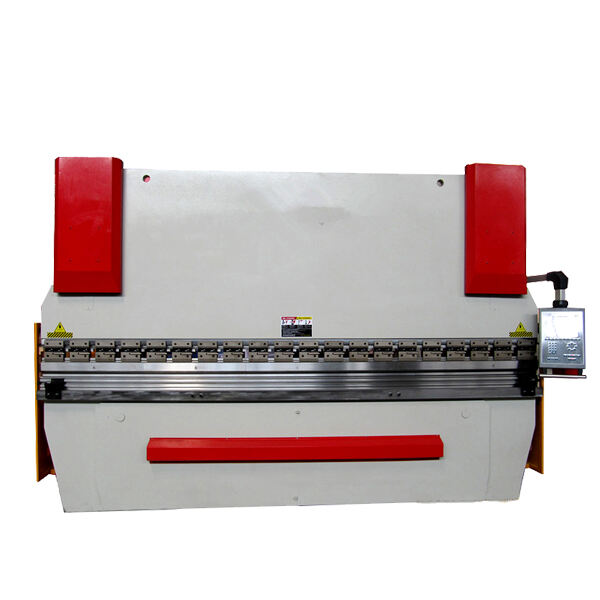
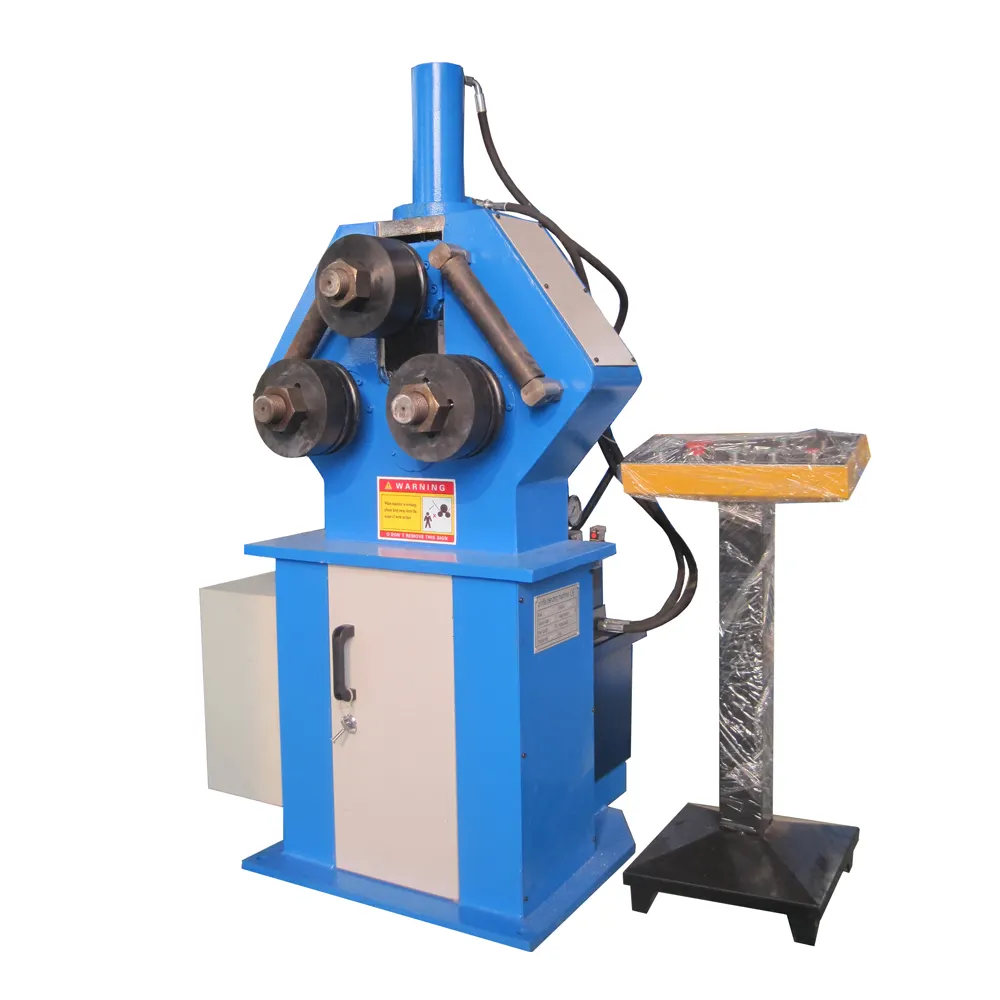
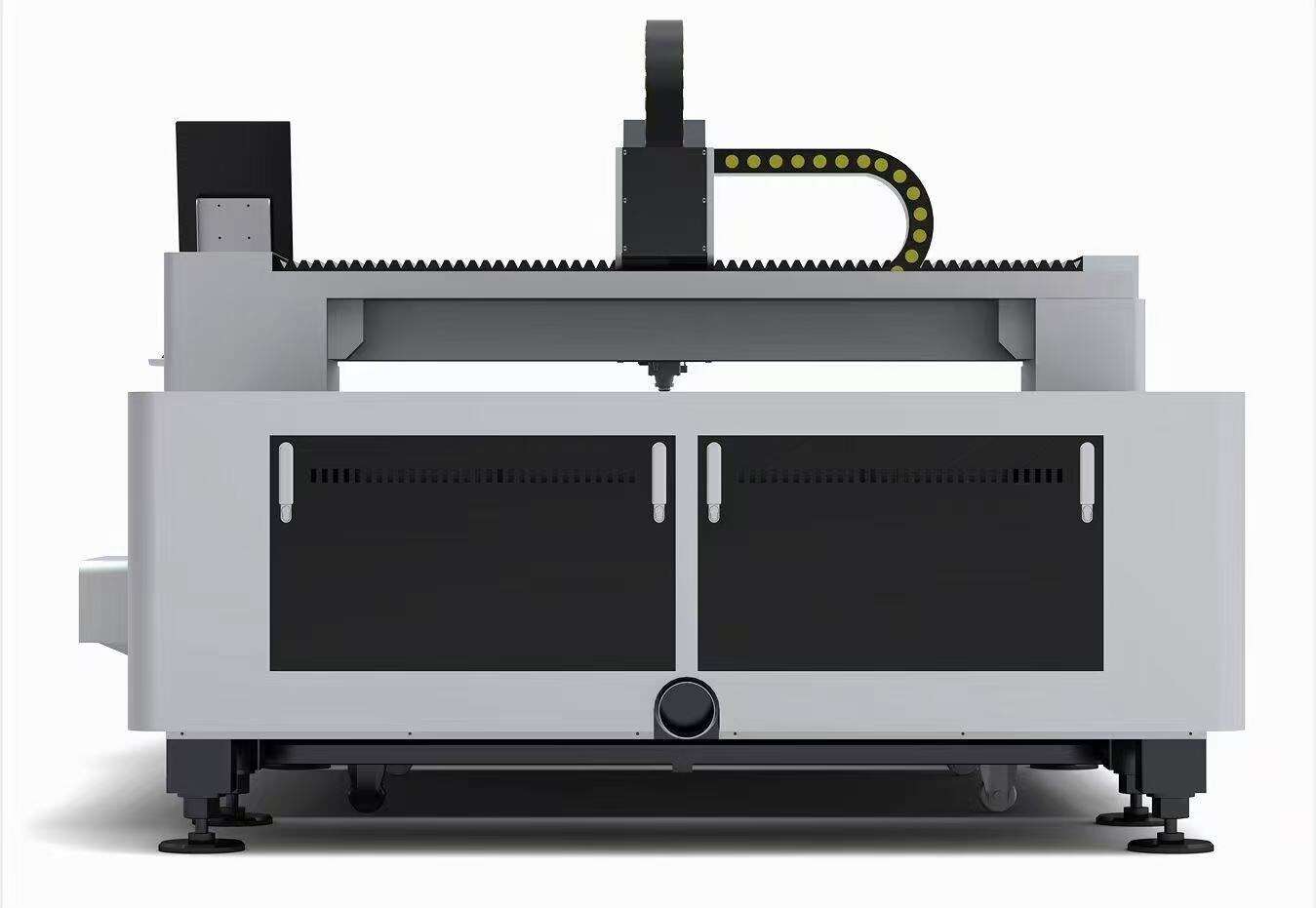
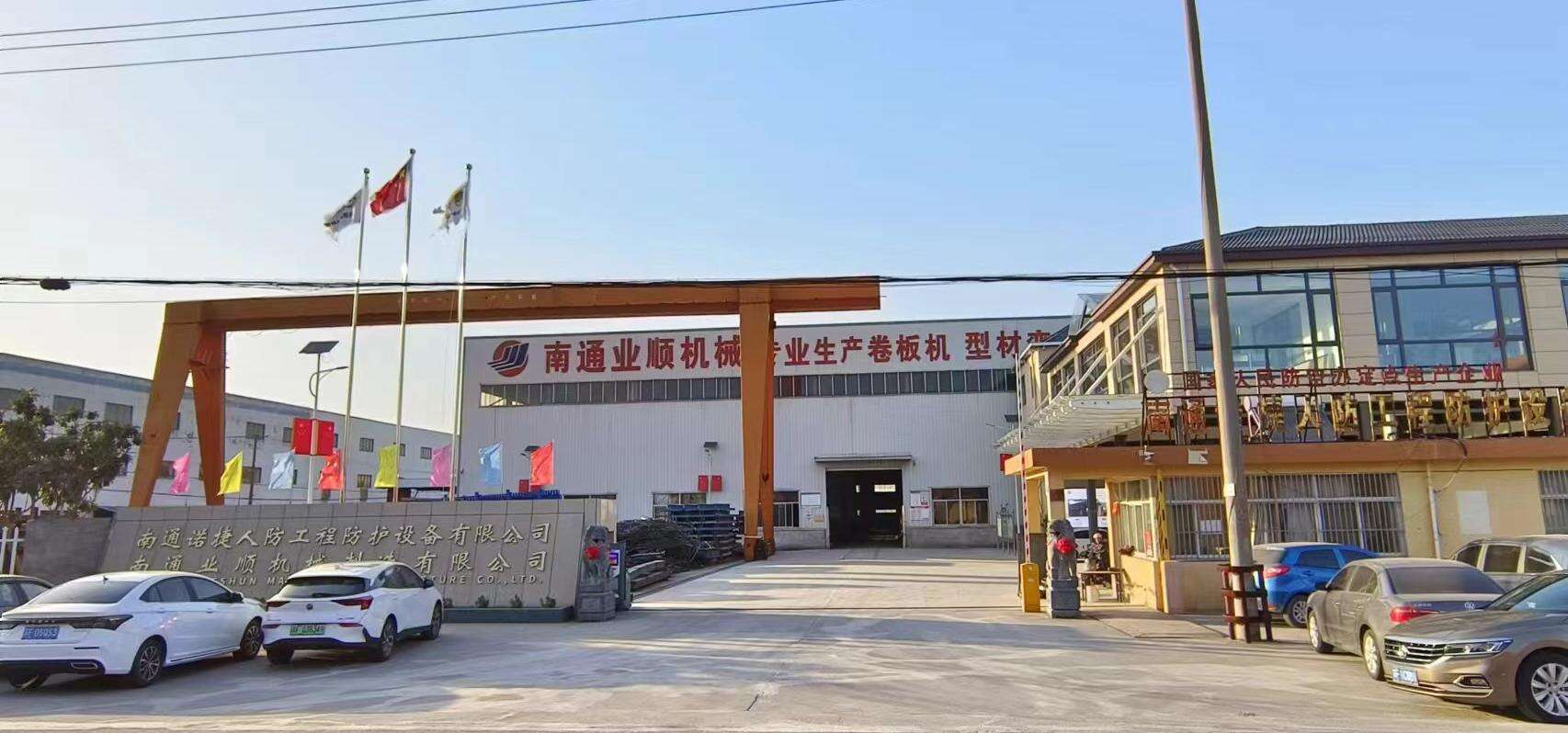
Nantong Yeshun Machinery Manufacture Co., Ltd., a professional producer of metal forming equipment since 2003, has developed automated press brakes specifically tailored for assembly line bending—addressing the core needs of high-volume manufacturing industries such as automotive, home appliance, and electrical cabinet production, where seamless integration with assembly workflows, consistent bending quality, and reduced labor intervention are paramount. These automated press brakes, represented by the advanced WC67Y(K) series (enhanced with CNC automation systems), are engineered to integrate with upstream and downstream assembly line equipment (e.g., laser cutters, robotic material handlers, and quality inspection stations) while delivering precise, repeatable bending performance for a wide range of metal materials (carbon steel, stainless steel, aluminum alloy) and thicknesses (1mm–20mm). A key advantage of Yeshun’s automated press brake is its seamless connectivity with assembly line control systems, supported by industrial communication protocols like PROFINET and OPC UA. This allows the press brake to receive real-time production data (e.g., part dimensions, bending angles, and order quantities) from the assembly line’s MES (Manufacturing Execution System) and automatically adjust parameters without manual input. For example, a leading automotive assembly plant in South China uses three Yeshun WC67Y(K)-160/4000 automated press brakes in its door panel production line. The line’s workflow begins with a laser cutter (integrated with the press brake via MES) cutting 1.5mm-thick cold-rolled steel sheets into door panel blanks. A 6-axis robotic arm then transfers the blanks to the press brake, which retrieves the pre-stored bending program (for the specific car model) from the MES. The press brake’s servo-driven ram (with positional accuracy of ±0.01mm) performs three sequential bends—first a 90° bend along the top edge, then two 45° bends on the side edges—with each bend completed in 3 seconds. After bending, another robot transfers the finished door panels to a downstream welding station, while the press brake sends a “part completed” signal back to the MES to trigger the next blank transfer. This fully automated workflow has reduced the door panel production cycle time by 40% (from 25 seconds to 15 seconds per panel) and cut labor requirements by 60% (from 3 operators per line to 1). Another critical feature of Yeshun’s automated press brake is its adaptive bending technology, which ensures consistent quality even with material variations. The machine is equipped with a laser angle detector that measures the actual bending angle after each operation and adjusts the ram position in real time—compensating for factors like material springback (common in aluminum alloys) or thickness deviations. A home appliance manufacturer in East China, which produces 500,000 washing machine outer casings annually (using 2mm-thick aluminum alloy), relies on this technology to maintain a bending angle tolerance of ±0.5°. Without adaptive adjustment, springback in aluminum would cause a 2°–3° angle deviation, requiring costly rework; with Yeshun’s system, the rework rate has dropped from 8% to 0.3%. Yeshun’s automated press brake also includes features to enhance assembly line efficiency, such as a quick-change die system and batch processing capabilities. The quick-change die system uses magnetic clamping to switch between die sets (for different part types) in 5 minutes—compared to 30 minutes for manual die changes—enabling the press brake to handle multiple part variants in a single assembly line. For batch processing, the machine can store up to 500 bending programs, allowing it to switch between orders (e.g., from washing machine casings to refrigerator door panels) with one click. In terms of safety, the automated press brake is equipped with a 3D safety scanner that creates a protective zone around the machine. If the robotic arm or any other object enters the zone during operation, the machine pauses immediately—complying with global safety standards like ISO 13849-1. Additionally, the press brake’s remote monitoring function allows maintenance teams to track machine status (e.g., ram wear, hydraulic oil temperature) from the assembly line’s control room, reducing unplanned downtime by 35%. Yeshun’s automated press brake is not only designed for efficiency but also for scalability. It can be easily integrated into new or existing assembly lines, with customizable options such as extended worktables (for large parts like truck chassis components) or dual-ram configurations (for high-volume production). For customers with unique assembly line requirements—such as bending of thick steel plates (up to 20mm) for construction machinery or thin stainless steel (0.5mm) for medical equipment—Yeshun’s engineering team can modify the press brake’s tonnage, ram speed, and automation features to fit the specific workflow. For manufacturers seeking to optimize their assembly line bending processes with automation, Yeshun’s automated press brake offers a reliable, scalable solution that balances speed, precision, and integration. Customers are encouraged to contact Yeshun Machinery to discuss their assembly line layout, part specifications, and integration needs—our team will provide a customized proposal, including on-site testing to validate performance in the actual production environment.
 EN
 AR
 CS
 FR
 DE
 PL
 PT
 RU
 ES
 TL
 ID
 UK
 VI
 TH
 FA
 MS