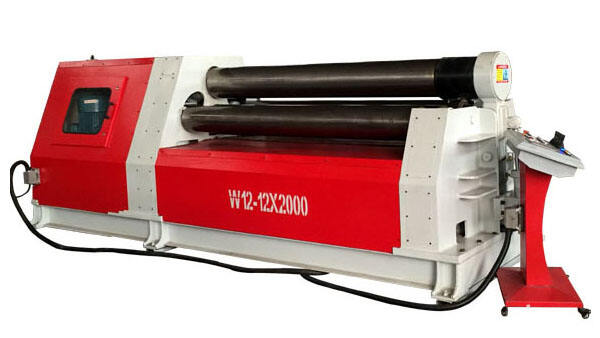
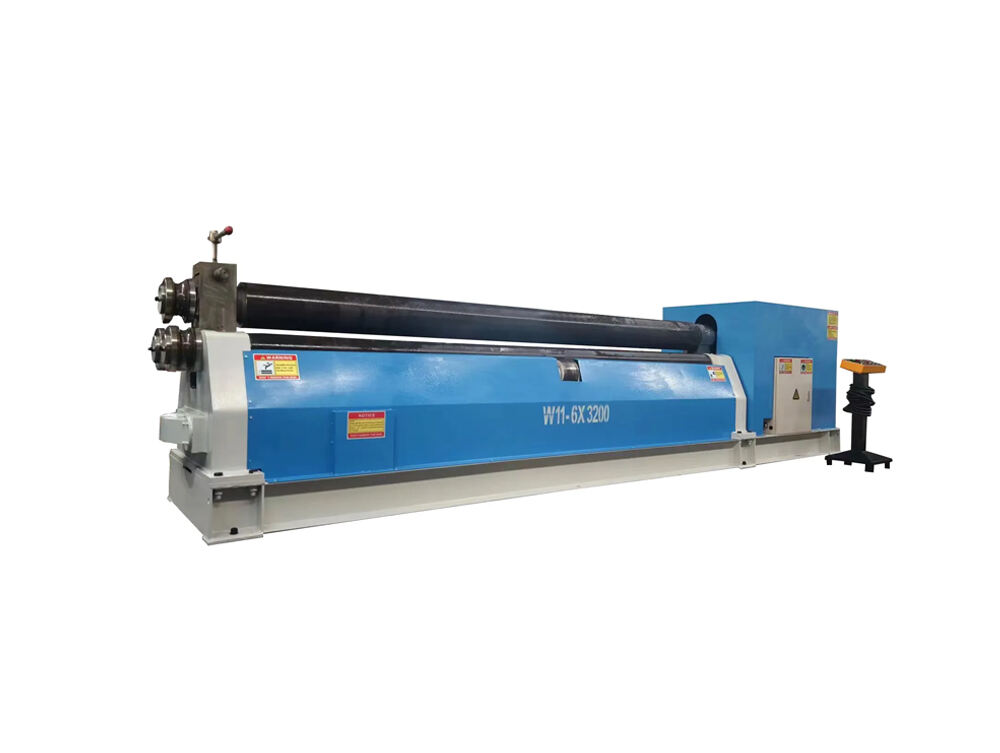
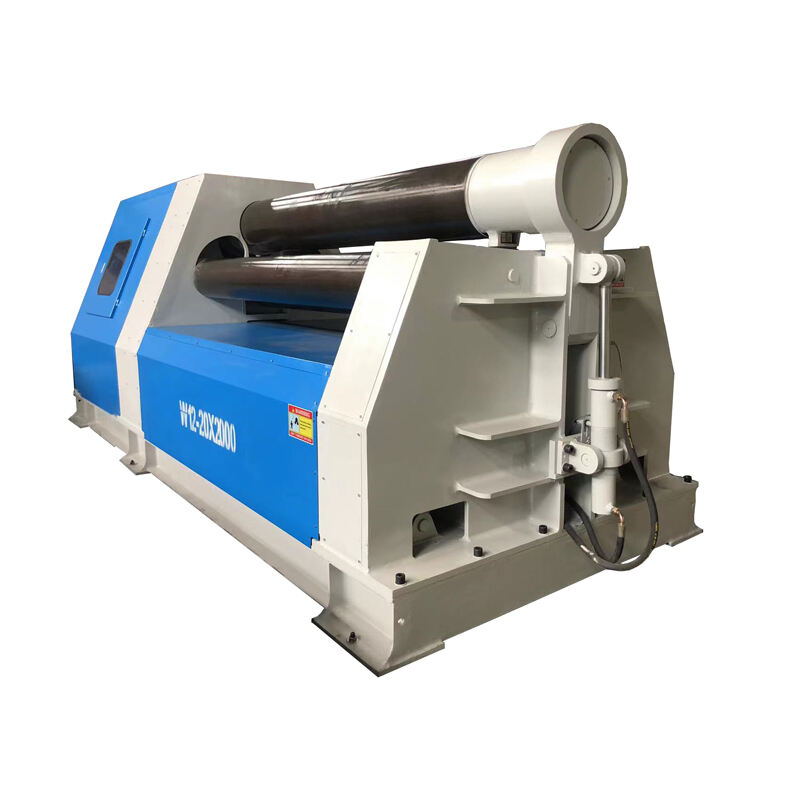
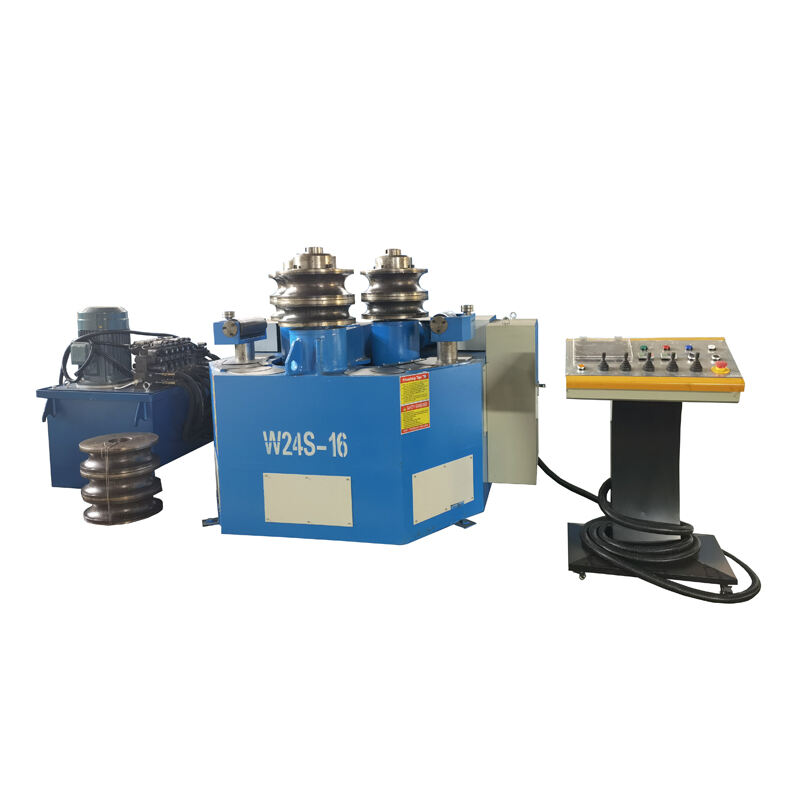
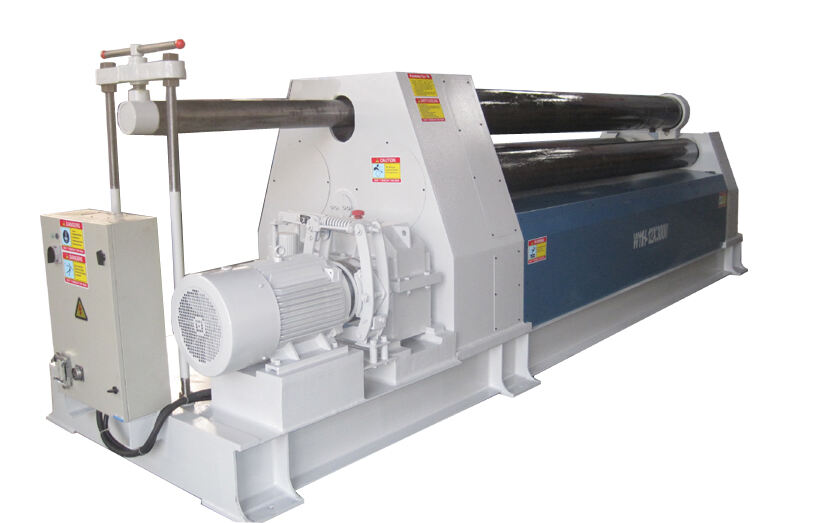
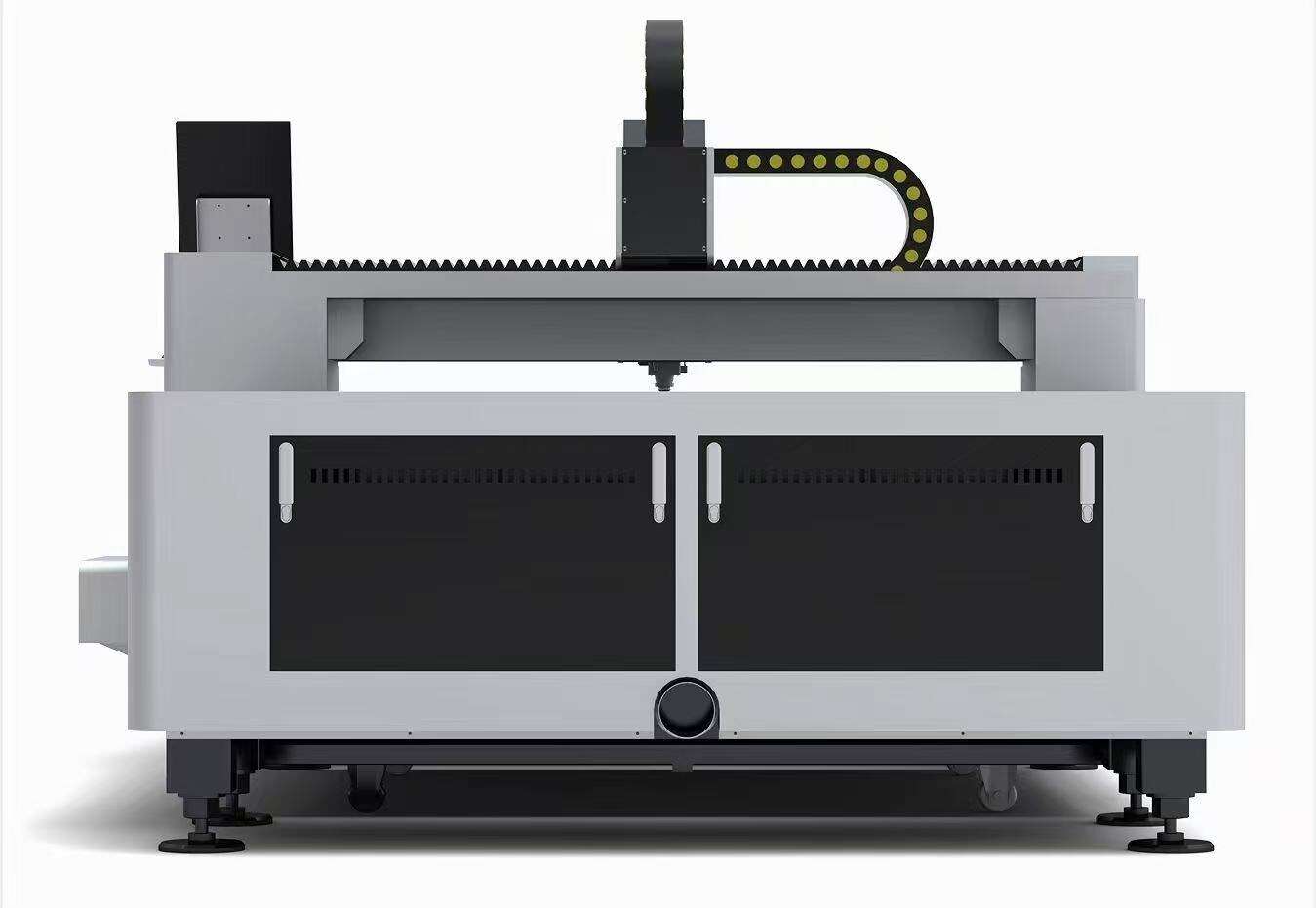
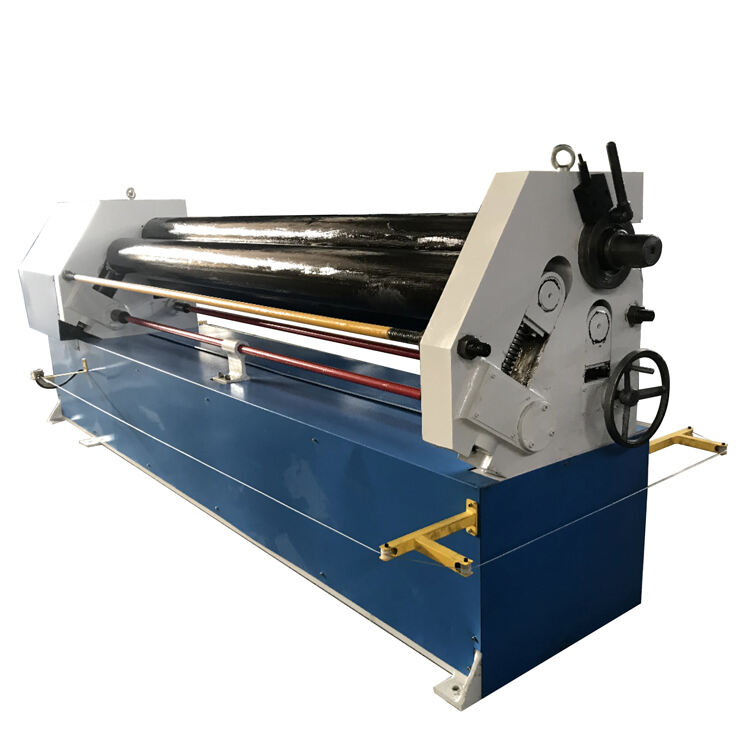
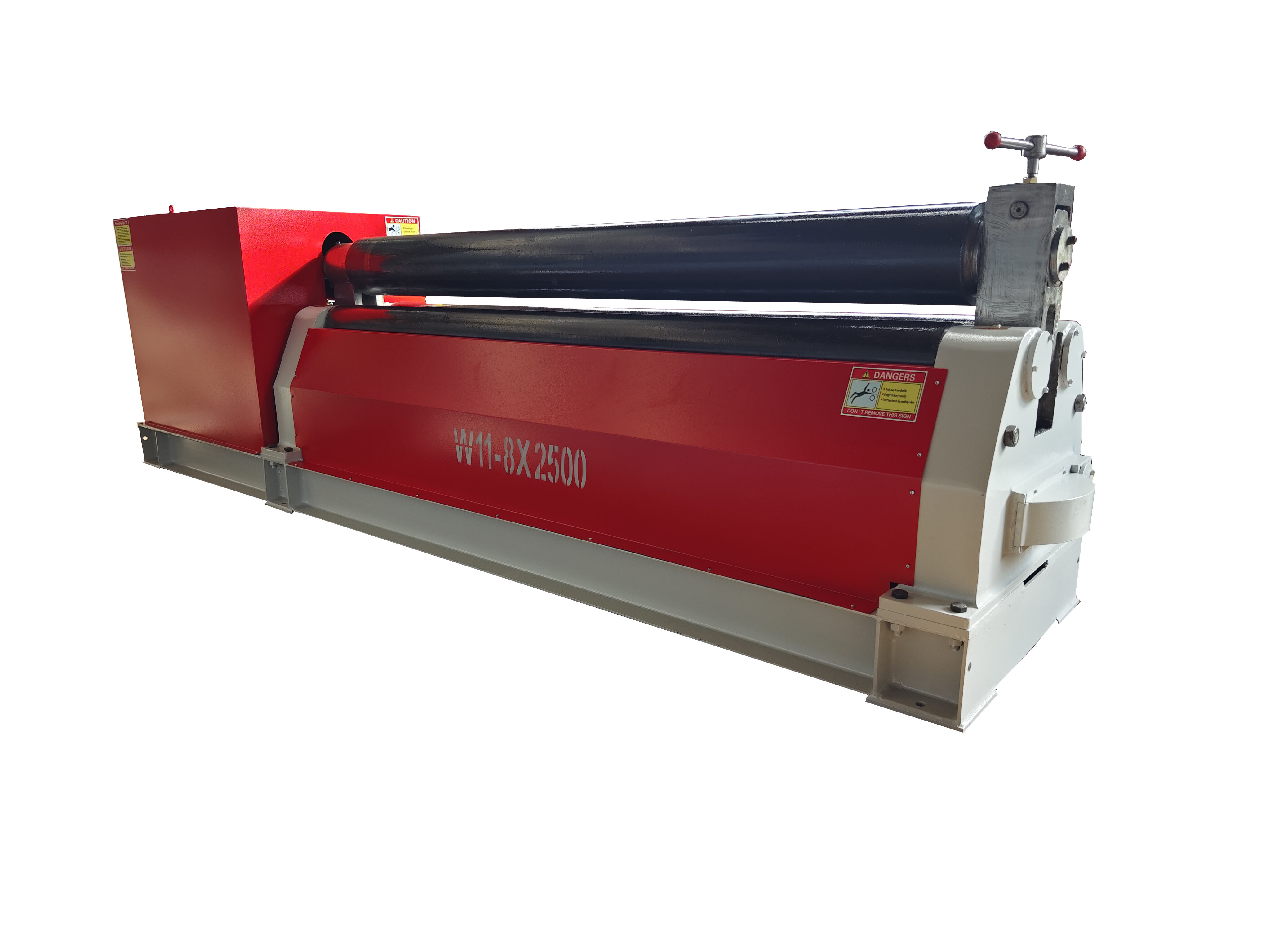
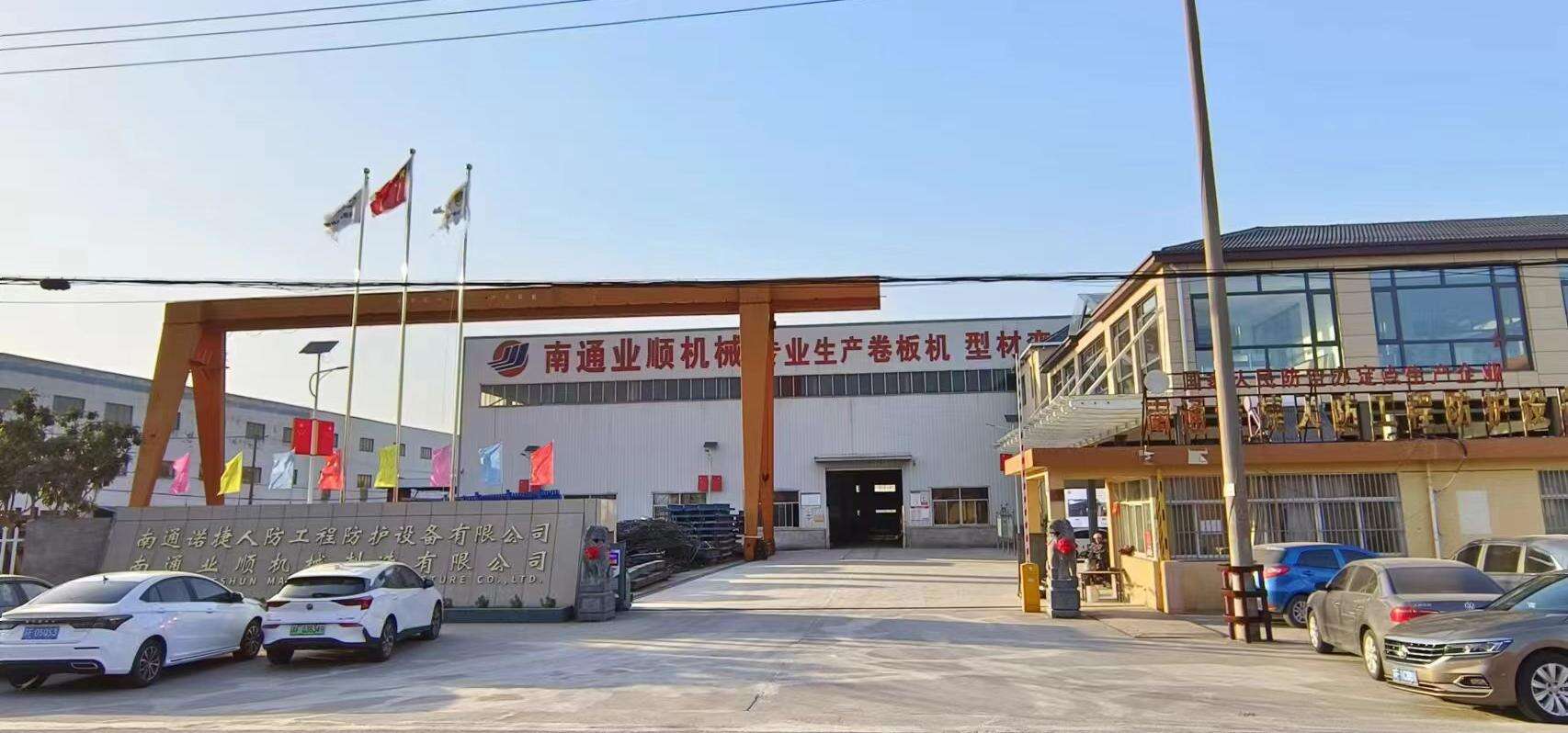
Nantong Yeshun Machinery Manufacture Co., Ltd., a pioneer in metal forming equipment since 2003, has developed automated plate rolling machines specifically engineered for assembly line production—catering to high-volume manufacturing sectors such as automotive exhaust systems, chemical pressure vessels, and HVAC cylindrical ducts, where seamless integration into continuous assembly workflows, consistent rolling precision, and minimal human intervention are critical. These automated systems, primarily based on Yeshun’s flagship W12 CNC four-roll plate rolling machine series (enhanced with advanced automation modules) and W11Y hydraulic symmetrical plate rolling machines (with customized assembly line adapters), are designed to synchronize with upstream material cutting (e.g., guillotine shears, laser cutters) and downstream processing (e.g., welding, polishing, leak testing) equipment, creating a streamlined “cutting-rolling-finishing” assembly line loop. A core strength of Yeshun’s automated plate rolling machine lies in its industrial-grade connectivity and real-time data synchronization. Equipped with universal communication protocols including PROFINET, EtherNet/IP, and OPC UA, the machine seamlessly links to the assembly line’s Manufacturing Execution System (MES) and Enterprise Resource Planning (ERP) software. This enables automatic reception of production parameters—such as plate material (carbon steel, stainless steel, aluminum alloy), thickness (2mm–30mm), target rolling diameter (50mm–3000mm), and batch quantity—eliminating manual programming errors. For instance, a leading automotive exhaust system manufacturer in East China operates a 24/7 assembly line with two Yeshun W12-20×2500 automated plate rolling machines. The line’s workflow starts with a Yeshun QC12Y(K) guillotine shear cutting 1.5mm-thick 409 stainless steel sheets into 1.2m-long blanks (tailored for exhaust muffler cylinders). The MES automatically sends the blank’s dimensions and target rolling diameter (100mm) to the plate rolling machine. A servo-driven conveyor transfers the blank to the machine’s four-roll system, where the CNC control (with a positional accuracy of ±0.005mm) executes a pre-calibrated rolling sequence: first, the bottom rolls lift to clamp the blank; then, the top roll descends to pre-bend both ends (preventing flat spots); finally, the side rolls adjust to achieve the 100mm diameter. Each rolling cycle takes 45 seconds—30% faster than semi-automatic models—with the machine sending a “roll complete” signal to the MES once finished. A robotic arm then transfers the cylindrical muffler shell to a downstream welding station, while the MES triggers the next blank transfer. This fully automated process has increased the line’s daily output from 800 to 1,200 muffler shells and reduced labor costs by 70% (from 4 operators per shift to 1). Another pivotal feature of Yeshun’s automated plate rolling machine is its adaptive rolling technology, which ensures consistent quality across large batches and addresses material variability. The machine is fitted with laser diameter scanners and pressure sensors that monitor the rolled cylinder’s dimensions and clamping force in real time. If deviations occur—such as springback in aluminum alloy plates (common in HVAC duct production) or thickness variations in high-strength steel (used in pressure vessels)—the CNC system automatically adjusts the roll position and pressure. A chemical equipment manufacturer in South China, producing 3,000-liter stainless steel (316L) pressure vessels monthly (using 8mm-thick plates), relies on this technology to maintain a diameter tolerance of ±0.2mm. Without adaptive adjustment, springback in 316L steel would cause a 1mm–1.5mm diameter deviation, leading to leak-test failures; with Yeshun’s system, the failure rate has plummeted from 12% to 0.5%. To further enhance assembly line efficiency, Yeshun’s automated plate rolling machine includes a quick-change roll system and batch program storage. The quick-change system uses hydraulic clamping to swap out rolls (for different material hardness or surface finishes) in 15 minutes—down from 2 hours for manual roll changes—enabling the machine to handle multiple part types (e.g., exhaust cylinders and HVAC ducts) on the same line. The CNC system can store up to 200 rolling programs, allowing one-click switching between batches (e.g., from 100mm-diameter mufflers to 200mm-diameter air ducts) without reconfiguration. Safety is also integrated into the machine’s design for assembly line environments. It features a 3D safety light curtain that covers the entire material entry/exit area; if a robotic arm or operator enters the zone during operation, the machine pauses instantly, complying with global safety standards like ISO 13850 and OSHA 1910. Additionally, the machine’s remote condition monitoring system tracks key components (roll bearings, hydraulic pumps, motor temperature) via IoT sensors, sending predictive maintenance alerts to the assembly line’s control room. This has reduced unplanned downtime by 40% compared to non-automated models. Yeshun’s automated plate rolling machine is highly scalable, with customizable options to fit diverse assembly line needs. For large parts (e.g., 5m-long chemical reactor shells), extended worktables and reinforced roll systems are available; for thin materials (e.g., 0.8mm aluminum for automotive air intake ducts), precision anti-deformation clamps can be added. The machine can also be integrated with automated material storage systems (e.g., AS/RS racks) to ensure continuous material supply for 24/7 production. For manufacturers aiming to optimize assembly line production with automated plate rolling, Yeshun’s solution offers unmatched integration, efficiency, and reliability. Customers are invited to contact Yeshun Machinery to discuss their assembly line layout, part specifications (material, size, volume), and integration requirements—our engineering team will provide a tailored proposal, including on-site testing to validate performance within the actual production workflow.
 EN
EN
 AR
AR
 CS
CS
 FR
FR
 DE
DE
 PL
PL
 PT
PT
 RU
RU
 ES
ES
 TL
TL
 ID
ID
 UK
UK
 VI
VI
 TH
TH
 FA
FA
 MS
MS